Spain holidays 2026/2027
Holidays to Spain pair year-round Mediterranean sunshine with a record-breaking 677 Blue Flag beaches — proof the country takes its beach game seriously. Book your Spain holiday with Thomas Cook and swap the UK's "sunshine followed by a sudden burst of rain" forecast for warm seas, reliable heat, and stretches of sand that actually live up to the postcards.
Find Costa escapes, All Inclusive holidays to Spain in Tenerife, a family week in Majorca, or year-round winter sun in the Canary Islands — and you can relax knowing all of our package deals are ABTA & ATOL protected, with a low deposit from just £19pp to secure your booking.
Spain holidays at a glance:
- Best for: Families, couples and easy-going breaks
- Flight time: 2 - 3 hours (mainland & Balearics), 4 - 4.5 hours (Canaries)
- Best months: April-June, September-October; Canaries year-round
- Top regions: Costa del Sol, Costa Blanca, Costa Brava, Majorca, Ibiza, Menorca, Canary Islands
More Spain travel guides
Andalusia | Balearic Islands | Barcelona | Canary Islands | Costa Almeria | Costa Blanca | Costa Brava | Costa Dorada | Costa del Sol | Fuerteventura | Gran Canaria | Lanzarote | Tenerife | Ibiza | Madrid | Malaga | Majorca | Menorca
Types of Spain holidays
Beach holidays to Spain
Beach holidays to Spain come with more than 3,000 beaches to choose from, so relaxing by the sea might as well be a national skill.
Best for: Families, couples and anyone craving sunshine and sea.
Top areas:
-
Costa del Sol – Malaga and Marbella: La Carihuela for family-friendly vibes; Nikki Beach for luxury beach parties.
-
Costa Blanca – Benidorm and Alicante: Levante Beach for nightlife and watersports; Playa del Postiguet for calm city swimming.
-
Costa Brava – Lloret de Mar and Tossa de Mar: Playa de Fenals for quieter swims; Platja Gran for beach + old town views.
Explore: Costa del Sol | Costa Blanca | Costa Brava
Island holidays
Spain’s islands each have their own vibe, like they’ve all agreed on sunshine but not much else. From Ibiza's legendary nightlife and Majorca’s historic towns to Menorca’s quiet coves and the Canary Islands where the idea of winter is politely ignored altogether.
Best for: Couples, families and holidaymakers who want plenty of beach time with the option to roam.
Top areas:
- Ibiza: San Antonio and Playa d’en Bossa for lively, social stays; Santa Eulalia for relaxed, family-friendly options
- Majorca: Serra de Tramuntana hikes, Palma’s old town, beaches like Es Trenc
- Menorca: Preserved medieval quarter and cathedral in Ciutadella, Mahon or Maó’s deep natural harbour
- Canary Islands: Tenerife for a strong all-rounder, Fuerteventura for the famous Popcorn Beach
Explore: Ibiza | Majorca | Menorca | Canary Islands
Canary Islands holidays
While the rest of the continent is layering up and checking heating bills, the Canaries is warm, sunny, and beach-ready all year round. It’s one of the few places that still feels like a proper holiday in January as much as July. Better still, it’s only a short flight from the UK.
Best for: Winter sun, families, couples and anyone who wants guaranteed sunshine outside of peak summer.
Top areas:
- Tenerife – Costa Adeje and Playa de las Américas for resorts; Mount Teide for something different
- Gran Canaria – Maspalomas dunes, Playa del Inglés for nightlife, Puerto Rico for families
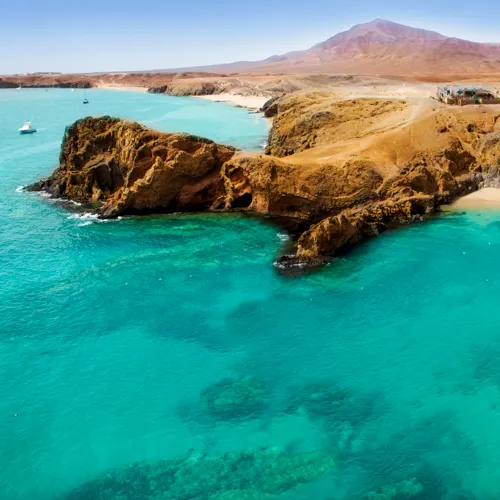
- Lanzarote – volcanic landscapes, quiet coves and Playa Blanca for a relaxed pace
- Fuerteventura – long sandy beaches, Corralejo for watersports, natural parks for walkers
Explore: Tenerife | Gran Canaria | Lanzarote | Fuerteventura
All Inclusive & package holidays
Book an All Inclusive holiday to Spain and the logistics quietly disappear into the background - flights, hotels, meals all arranged before you’ve even finished packing. You arrive, drop your bags and immediately graduate into full holiday mode.
Best for: Families, first-time visitors and anyone who wants clear costs, easy planning and a relaxed, low-effort holiday.
Top areas:
- Resorts in Costa Adeje, Playa de las Américas: pools, evening shows, kids’ clubs, and meals included
- Palma Nova: perfect for sunbathing, beach walks, and casual local exploration
Explore: Palma Nova
Browse: All Inclusive holidays
Villa holidays in Spain
Villa holidays in Spain offer space to stretch out, a kitchen, and often a pool that doesn’t require queuing for a sunbed. You’re free to eat when you want, sleep when you want, and make zero small talk unless you choose to. Shops, markets, and restaurants are nearby, but the real luxury is having your own schedule.
Best for: Families, groups of friends and couples who want more room, flexible mealtimes and a quieter home-from-home feel.
Top areas:
-
Majorca & Ibiza: villas near beaches and charming towns
- Costa Brava: hillside homes with sea views and easy access to hidden coves
Cheap holidays to Spain
Cheap holidays to Spain are easiest to find in April, May, September and October - where the sun is doing its job properly, prices ease off and the resorts are calm enough that you can actually hear the sound of the waves!
- Weather in Spain in April and May: ideal for sightseeing or early beach walks
- Weather in Spain in September and October: still sunny, still warm, still inviting
- Great destinations include Costa del Sol, Costa Blanca, and the Canary Islands
- Explore markets, historic towns, tapas bars, and beaches without the crowds
Mainland Spain holidays
Mainland Spain holidays mix beach days with beautiful cities, long lunches that somehow turn into evenings very easily. Barcelona packs beaches, the Sagrada Família and the Gothic Quarter into one effortlessly cool city. You can drift between sightseeing and the coast, with a dining culture built around late tapas. Make sure you go in spring or autumn where the weather is warm and the crowds are minimal.
Then you’ve got Madrid and Seville bringing a rich mix of Spanish culture, from world-class art at The Prado, and leafy escapes like Retiro Park in Madrid to Seville’s orange-lined streets, grand plazas and Moorish landmarks like the Real Alcázar. Both make brilliant shoulder-season city breaks with warm weather and fewer crowds around top spots.
Along the coast, the Costas stretch from the Costa Brava to Andalusia. Costa del Sol is the mainland star of the show with reliable sunshine, sandy beaches and resorts like Torremolinos that make it dangerously easy to go full holiday mode.
Best for: Couples, culture lovers, city-break fans, and foodies.
Explore: Barcelona | Madrid | Seville | Costa del Sol
When to book your holiday to Spain in 2026
The Spanish mainland and the Balearic Islands run on sunshine from April to October. July and August bring peak heat, peak crowds, and less value if you book too late. For a smarter choice, aim for May, June, September, or October - same sunshine, fewer elbows on the beach, and prices that don’t sting quite as much.
The Canary Islands are the cheat code: it stays warm all year round, so when the British weather is throwing a tantrum, you’re still in shorts.
For Spain holidays in 2026 and 2027, book early to secure the best hotels and decent flight times. If you’re flexible, late deals in September and October can feel like winning the holiday lottery.
5 reasons to choose Spain for your next holiday
- You get multiple holidays for the price of one - beach by day, tapas by sunset, old town wandering after dinner, and still time for cocktails.
- Every coast has its own personality - Marbella does beach clubs and luxury, Benidorm keeps things lively, and the Balearics swim between peaceful coves and “we’ll sleep tomorrow energy”.
- Easy and affordable from the UK - short flight times, regular departures, and lots of package options make Spain one of the simplest holidays to plan.
- Long holiday season - mainland Spain is best from spring to autumn, while the Canary Islands stay warm enough for winter sun when most European destinations cool down.
- More than a beach drop - paella for days, historical wonders, markets worth getting lost in, and places that make you actually want to leave the hotel.
Not sure whether Spain or or Greece is the better fit? Compare them in our Greece vs Spain guide.
Our Spain holidays guide was last revised and updated in June 2026.