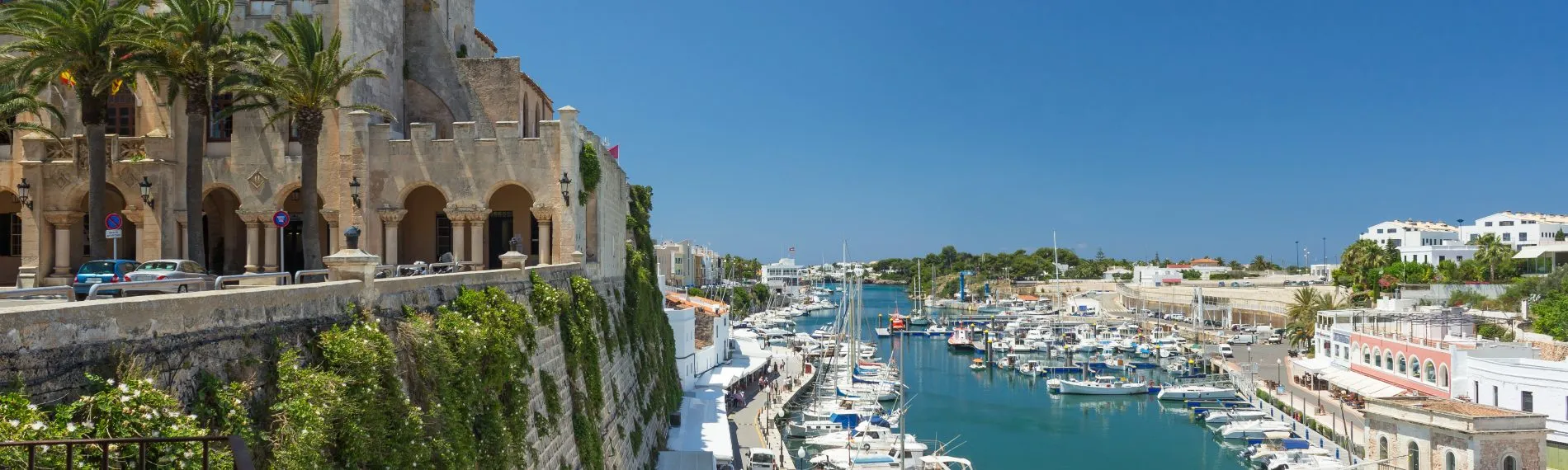
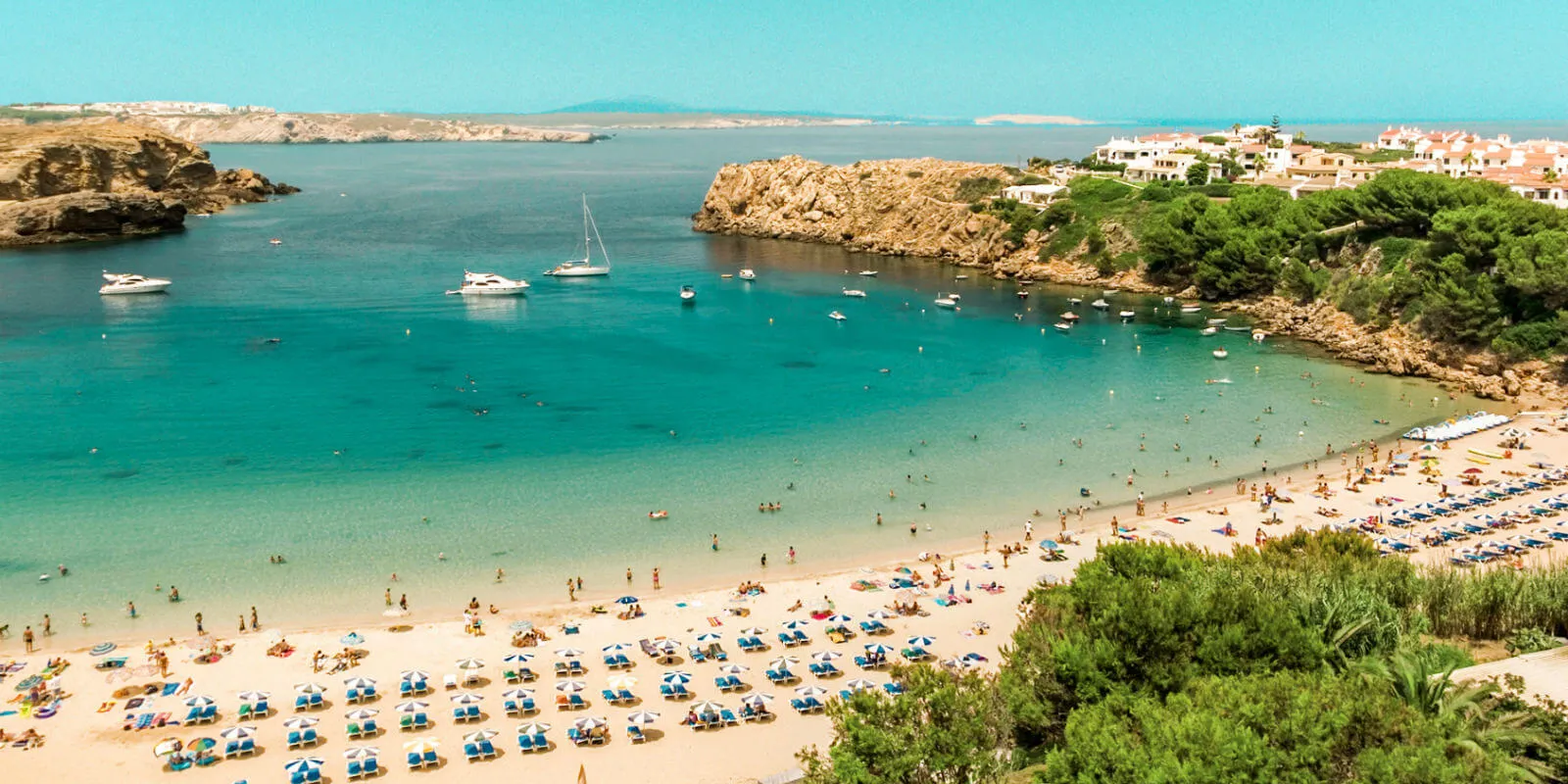
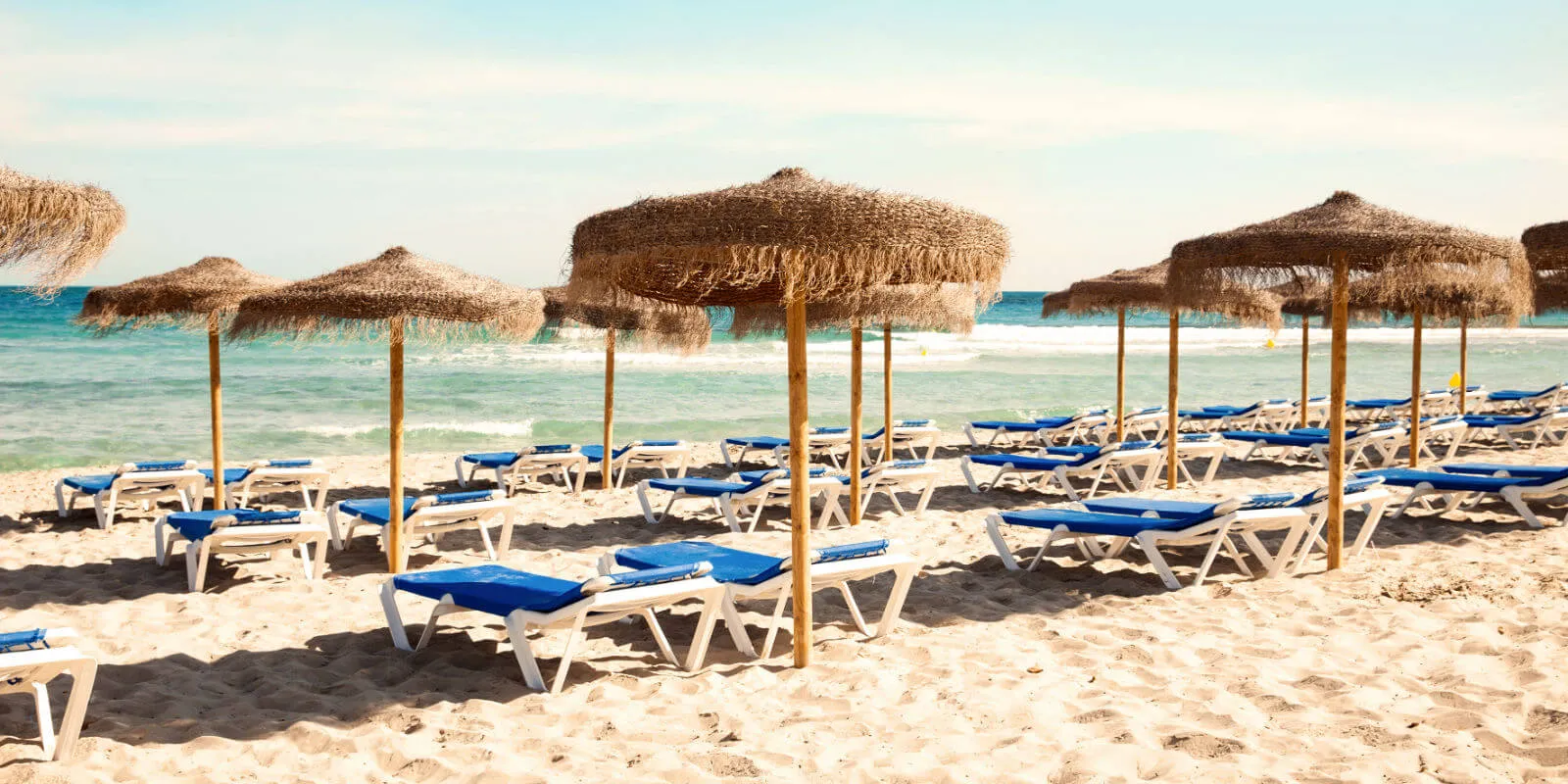
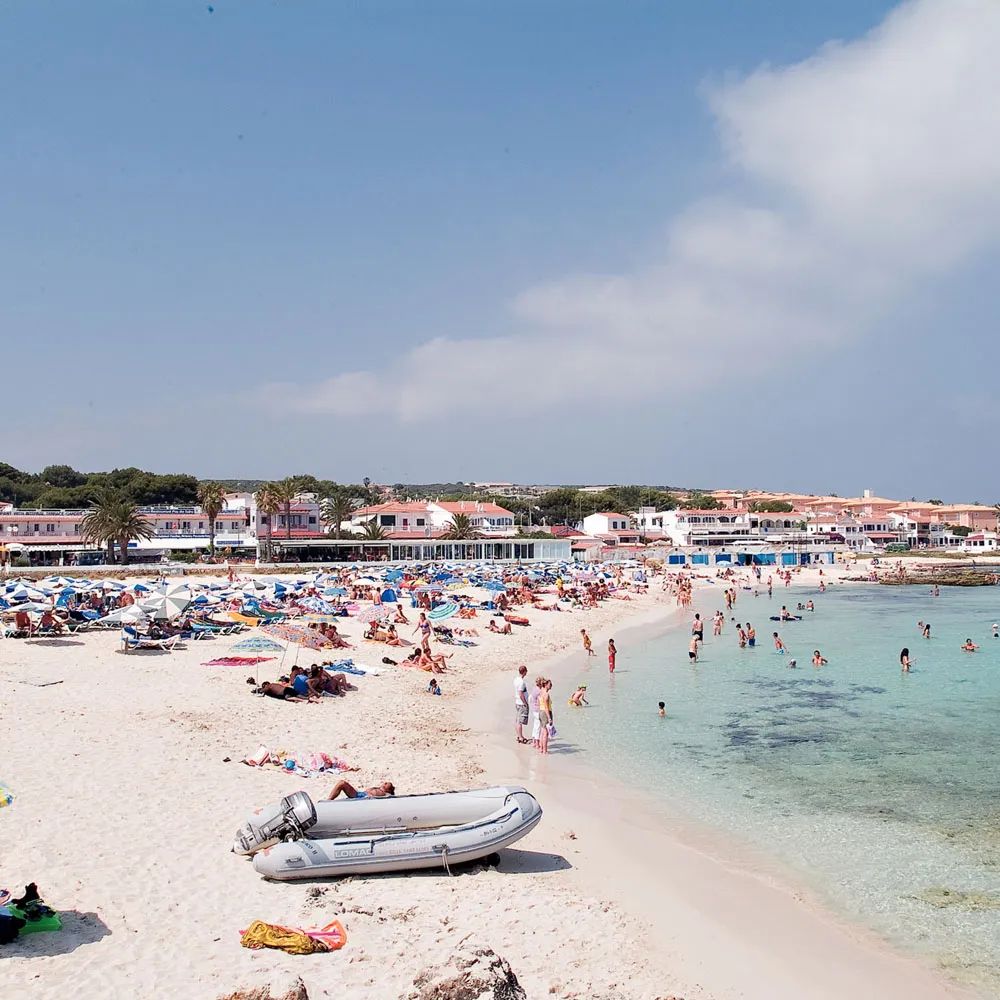
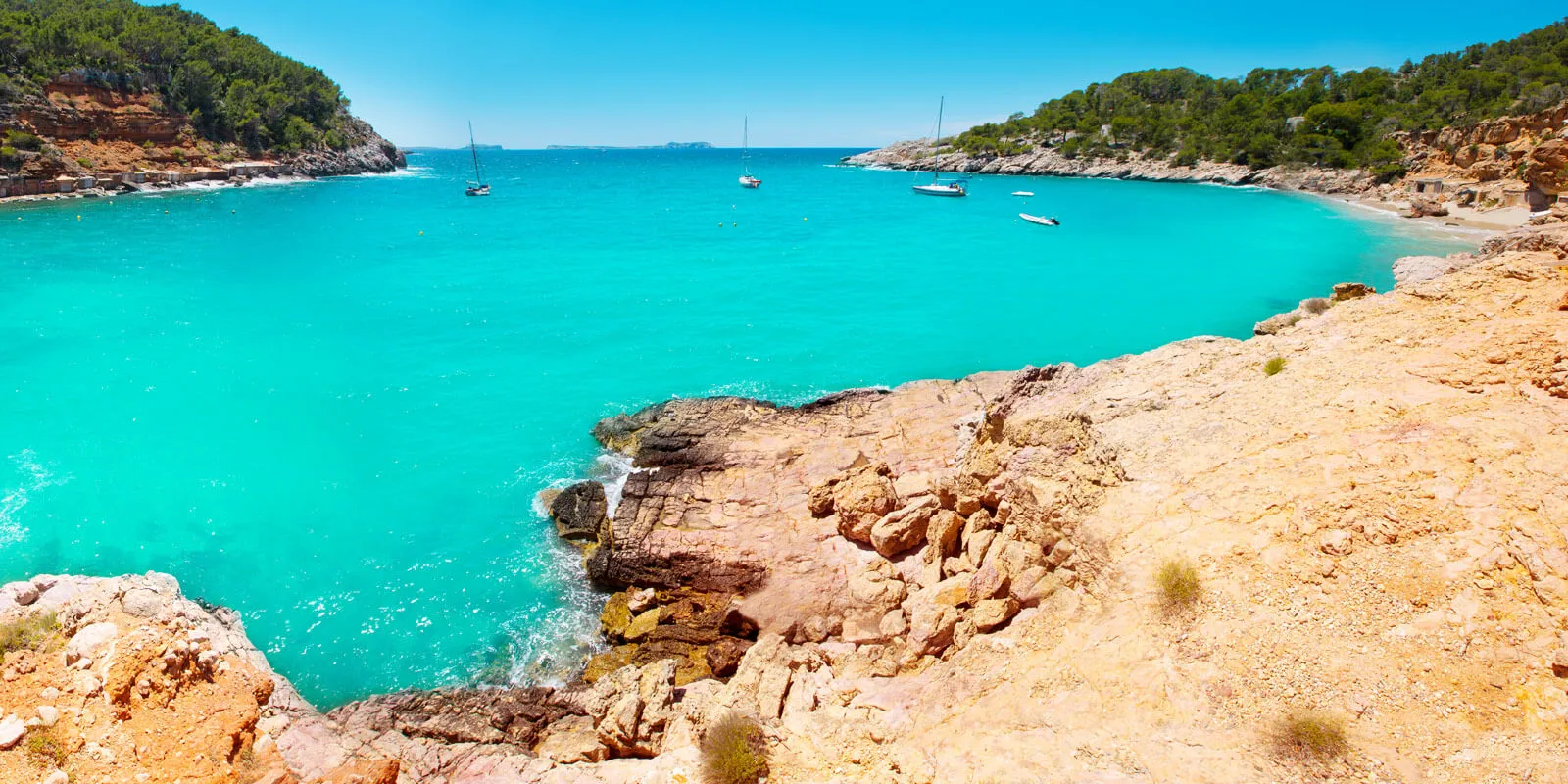
Menorca holidays are all about sun-soaked days along the coast, from the small sandy coves of Cala Blanca to the horseshoe bay of Arenal d'en Castell. And with five of its sand spots boasting Blue Flag awards, it's the ultimate beach getaway. When you’re not building sandcastles, visit the chic capital, Mahon. Here jazz bars and seafood joints decorate the marina, while the Old Town contains timeless churches and archaeological treasures.
Don’t be fooled by Menorca’s laid-back vibe either - although days are made up of siestas in the sun you can still get your party fix in Cala’n Porter. Home to Cova d’en Xoroi, a hidden cave bar with sweeping sea vistas, this disco-come-cocktail spot will see you dancing on a cliff edge. For entertainment of another kind, catch one of the island’s famous horse-trotting shows!
Things to do
Head into Mahon to browse bustling stalls full of local produce including fresh fruit, Mao cheese and spicy sobrasada sausage. Oh and don’t forget to purchase a jar of homemade mayonnaise - after all, Menorca is the birthplace of this delicious sauce. If you’re looking for a souvenir, you’ve come to the right place as this farmers’ market is not only a haven for foodies but is jam-packed with independent boutiques specialising in jewellery and clothing.
On the other side of the island is Ciutadella, the former capital of Menorca and most noted for its well-preserved medieval quarter and cathedral. Wander along its picturesque port ice cream in hand, or take a short bus ride to the beautiful coves of Cala Turqueta or Cala Es Talaier, two of the most sought-after beaches in the Balearics.
Places to stay
Holidays to Menorca come in all shapes and sizes. From the larger, more popular resorts of Punta Prima, Cala’n Bosch and Cala’n Forcat along the southern coast to the Moorish city of Ciutadella in the west.
Over in the east, you'll find Mahon. Known as Maó in Catalan, it's home to the deepest natural harbour in the Mediterranean. Head further north to explore one of Menorca’s most beautiful fishing villages, Fornells, whose whitewashed houses overlook the marina’s incredibly blue waters.
Beautiful coastline
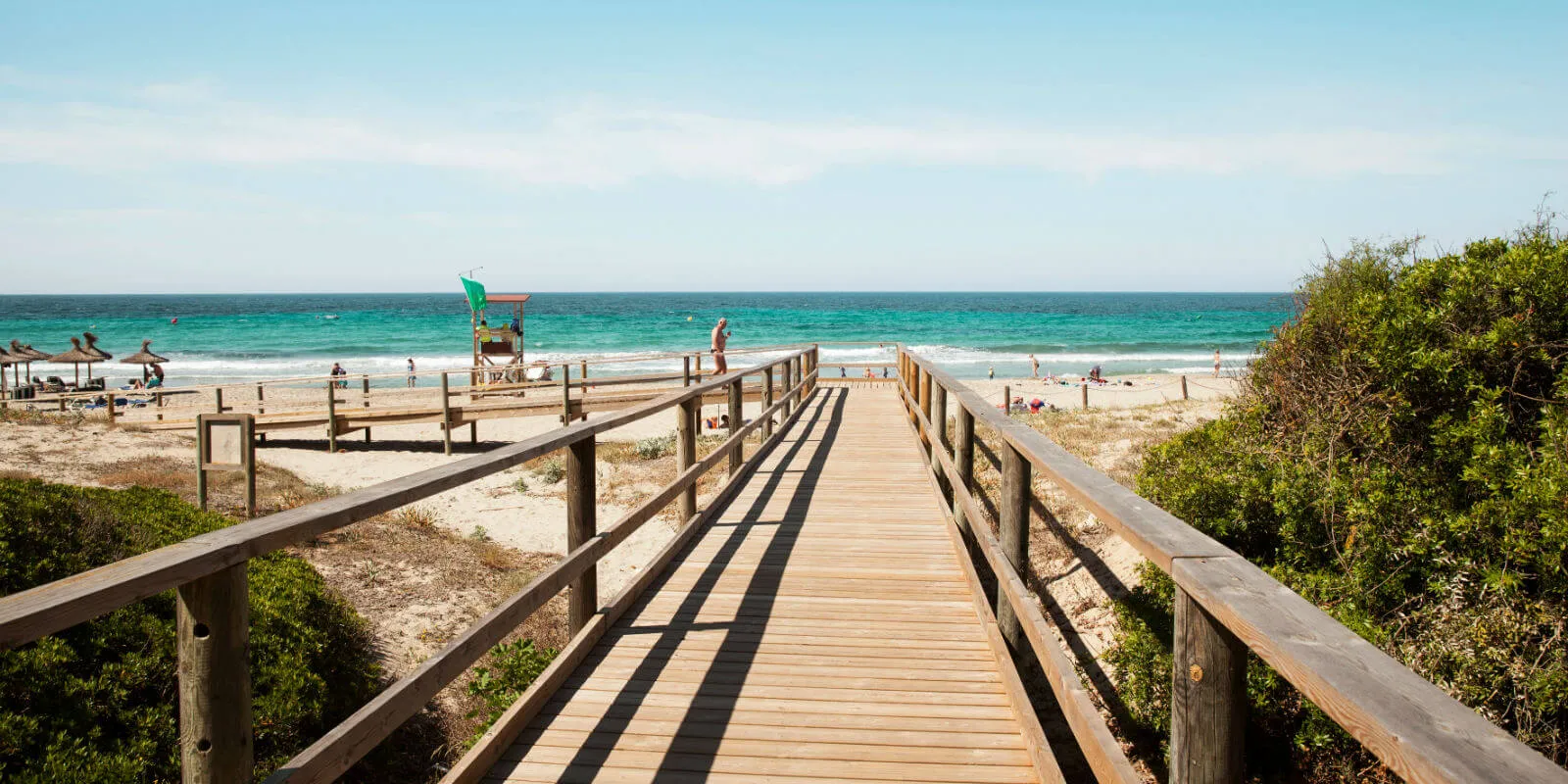
Let’s be honest, you’re probably drawn to Menorca because of its famous coastline. And who can blame you with beaches that rival the Caribbean so close to home? Stretching three kilometres, Son Bou is one of the island’s longest sand spots. Its gently sloping shoreline makes it a great choice for paddling tots, but note that as you move along the coast, away from the main resort, it's increasingly popular with nudist sunbathers.
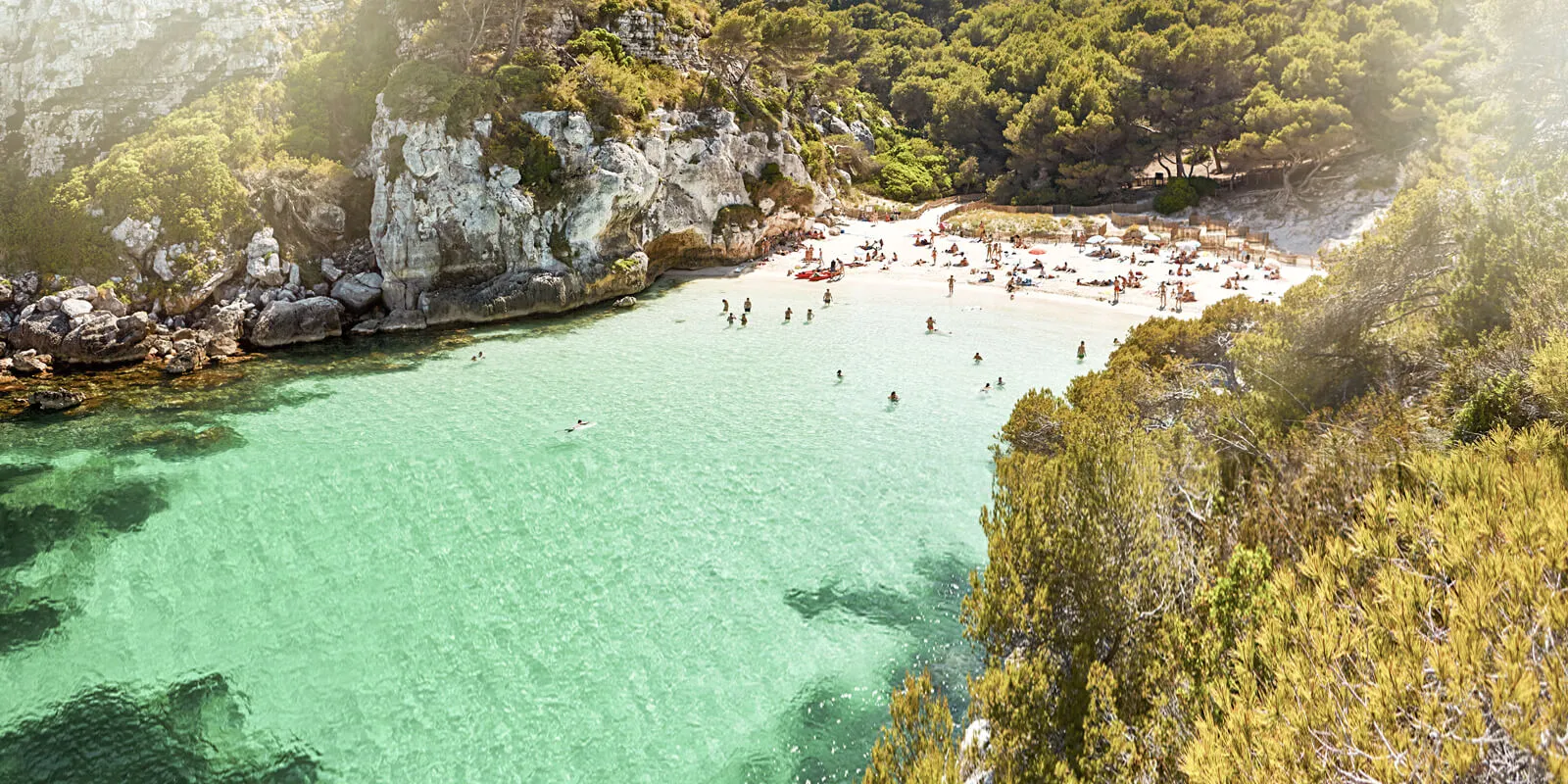
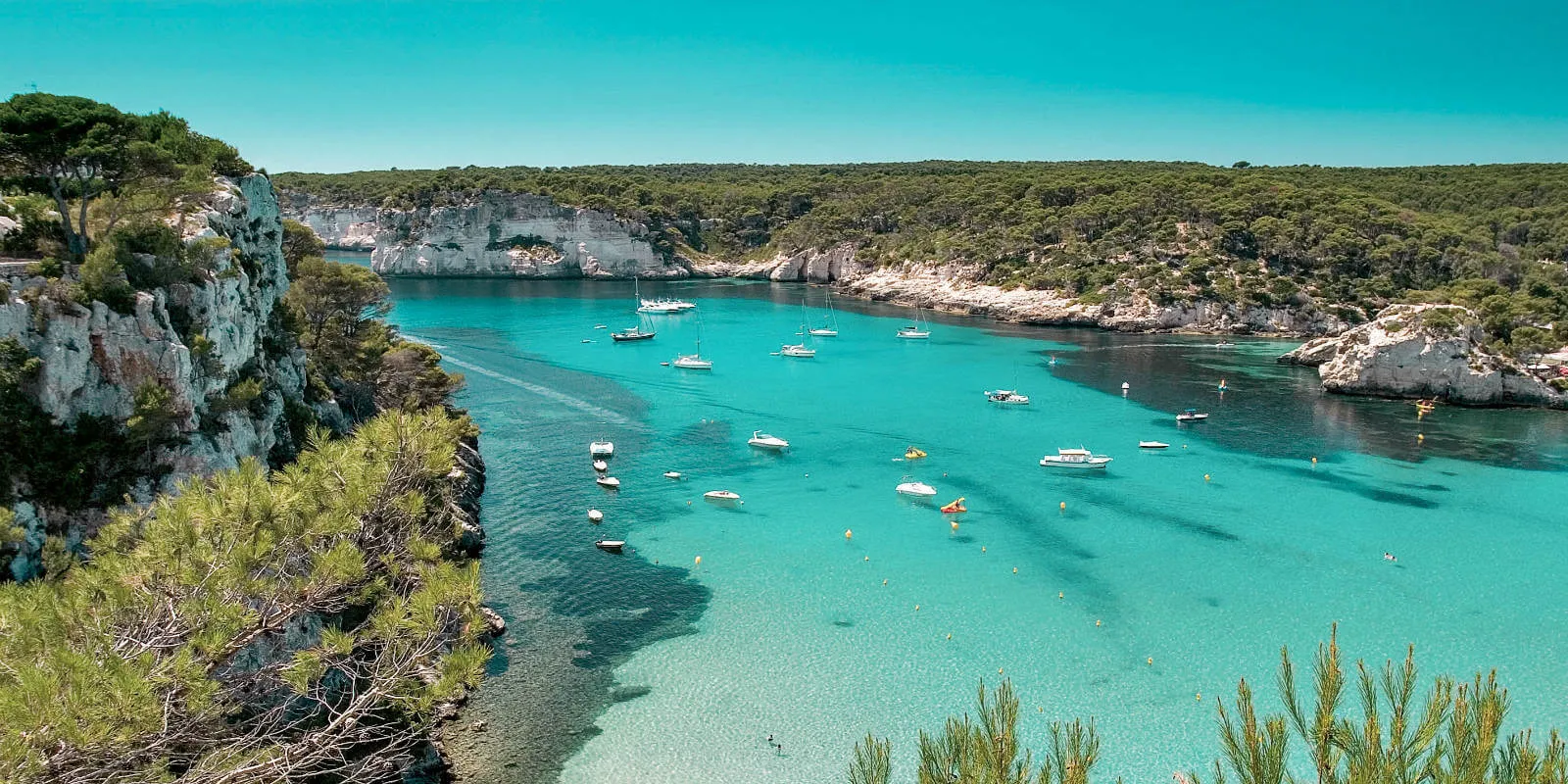
When you want to admire this Balearic Island’s natural beauty, check out Cala Macarella. Picture alluring limestone cliffs that overlook a strip of white sand and turquoise-tinted waters. A further slice of paradise can be found at Cala Pregonda, where rose gold grains and pink cliffs are daring you to whip out your camera.
Must-see sights
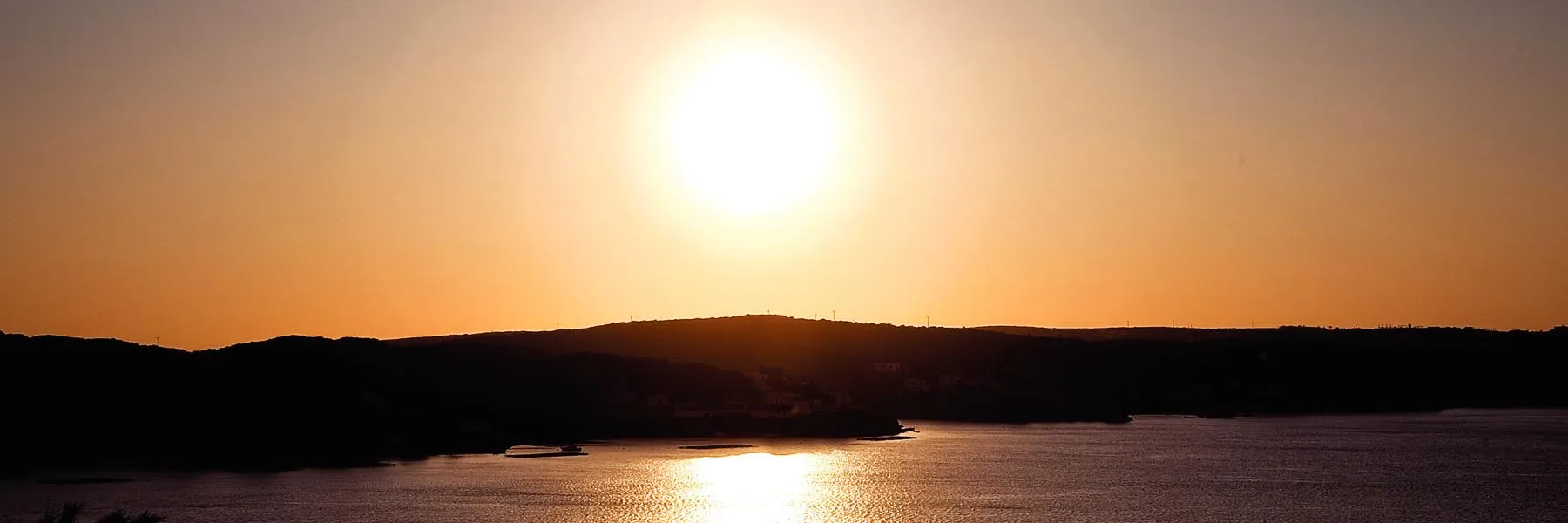
When it comes to attractions you’ve hit the jackpot. Whether you’re exploring charming cobbled lanes, getting your history fix at a museum or admiring the old-world architecture of Ciutadella, there’s more to Menorca than lazy sunbathing stints. And first on your list should be Cova d’en Xoroi. This cave bar suspends you high above the Mediterranean at the edge of a cliff (the sunset viewings here are unbeatable).
For wine tasting sessions paired with cheese sampling, head over to S’Hort de Sant Patrici Winery. You’ll learn all about its production heritage while sipping Merlot, so it’s a win-win. For heritage of another kind, visit Naveta des Tudons. These megalithic chambers date back 3,000 years.
Local life
You can’t come to Menorca without experiencing the local life. From its jam-packed calendar of fiestas to its great restaurants whipping up seafood stuffed paella and sprawling tapas spreads. Simply walk its timeless alleyways and you’ll get a feel for the culture. Keep your eyes and ears peeled for street parades and live music - you may even spot the island’s famous dancing horses!
More Travel Guides
We also have travel guides available for top Menorca destinations, including: Arenal Den Castell | Cala’n Bosch | Cala’n Forcat | Cala Galdana | Mahon | Punta Prima | Santo Tomas | Son Bou