





Golden Silk Boutique Hotel
Vietnam, Hanoi
 Your money is secured in a trust account
Unlike many other travel companies we operate on a trust account model. Once we’ve paid the airline for your flights, the rest of your money is held in a trust account. We do not have access to this directly and can only withdraw funds when you are back home from holiday

 ATOL & ABTA protected
All of our holidays that include flights are protected by the ATOL scheme from the moment you book. So if one of our suppliers fails, you’ll get your money back. If you’re left stranded abroad, a flight home will be arranged at no extra cost. Our ATOL number is 11806

 We're ABTA registered
As proud ABTA members we deliver the highest standards when it comes to our holidays. So if you book with us you’re guaranteed the best service. Our ABTA number is P8283, Y6720.



Vietnam, Hanoi

Vietnam, Hanoi

Vietnam, Hanoi

Vietnam, Hanoi

Vietnam, Hanoi
Hanoi, Vietnam is a vibrant metropolis that invites you to explore its rich history, diverse culture, and bustling streets. Hanoi offers an unforgettable experience filled with ancient temples, mouthwatering cuisine, and fascinating landmarks offering a holiday to Vietnam to remember.
History & Culture
Tracing its roots back over a thousand years, Hanoi has been shaped by a series of dynasties, invasions, and revolutions. The city served as the capital of various Vietnamese kingdoms, each leaving behind architectural marvels and cultural legacies that still stand today.
In the 19th century, French colonial rule swept through Vietnam, leaving an indelible mark on Hanoi's urban landscape. Elegant boulevards, grand villas, and majestic government buildings sprang up, embodying the distinct blend of East and West that characterises the city. The 20th century brought waves of conflict and struggle, as Vietnam fought for independence from colonial powers.
Today, Hanoi pulsates with life, its streets teeming with motorbikes, street vendors, and the aroma of steaming pho. Yet amid the hustle and bustle, its storied past remains in the form of ancient pagodas and temples, French colonial villas and communist monuments.
Things To Do in Hanoi
One of the most famous roads in the Old Quarter is known as Hanoi Train Street. Here, an active rail route runs straight down a bustling city centre street. There’s only a limited number of services per day but ahead of their arrival, the road has to be cleared of al fresco tables and bikes. You might want to follow the trend of Instagrammers and Tiktokers in snapping a selfie or filming your experience, but care must be taken as train drivers have reported near misses with tourists.
If you want to escape the hustle and bustle of the city, a popular day trip is to visit the complex of Buddhist temples, shrines and caves known as Perfume Pagoda in the Huong Tích mountains.
Food & Drink
Hanoi is a culinary paradise, offering a tantalising array of dishes to reflect its rich cultural heritage. Dive into the bustling street food scene and try a crispy banh mi sandwich, or a fragrant bowl of bun cha (pork and noodles). Don't miss the chance to sip on freshly brewed Vietnamese coffee or indulge in refreshing glasses of bia hoi (the local draft beer), as you sit back and take in Hanoi's vibrant culture.
Hanoi Hotels
Hotels in Hanoi range from luxurious high-rises to charming boutiques. The five star Somerset Grand Hanoi boasts elegant suites and modern amenities. While Hotel de l'Opera Hanoi - MGallery exudes luxury with its French-inspired design, and the location couldn’t be more convenient.
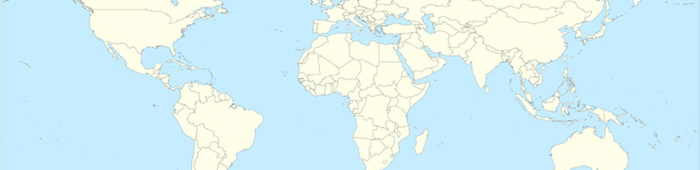
Hanoi has a subtropical climate. Between May and September average daytime highs are in the low to mid 30s. The warmest months are also the wettest months.

Vietnam, Hanoi

Vietnam, Hanoi

Vietnam, Hanoi

Vietnam, Hanoi

Vietnam, Hanoi

Vietnam, Hanoi

Vietnam, Hanoi

Vietnam, Hanoi

Vietnam, Hanoi

Vietnam, Hanoi

Vietnam, Hanoi

Vietnam, Hanoi

Vietnam, Hanoi

Vietnam, Hanoi

Vietnam, Hanoi

Vietnam, Hanoi

Vietnam, Hanoi

Vietnam, Hanoi

Vietnam, Hanoi

Vietnam, Hanoi
Absolutely, Hanoi is worth visiting! It's a captivating city offering a unique blend of history, culture, delicious food and local charm. As the gateway to Vietnam, it provides the entrance to a different world.
While it depends on your interests, spending at least 3-4 days in Hanoi allows you to explore its top attractions and experience the essence of the city. Although, with the long flight and time difference you may prefer to not try and do too much on your first full day in the city.
Hanoi is generally safe to walk around at night, especially in areas popular with tourists, like the Old Quarter. However, it's always advisable to remain cautious and aware of your surroundings, as with any big city.