
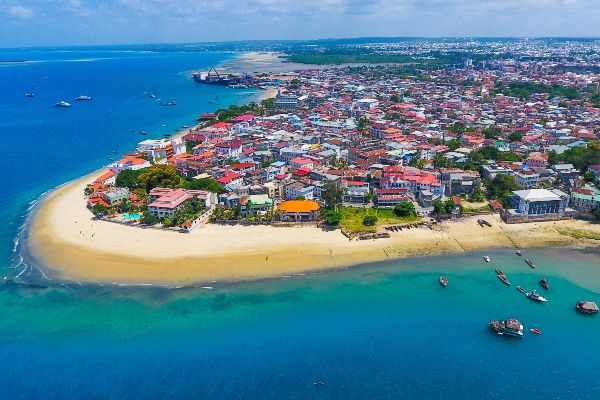
Zanzibar holidays

Zanzibar holidays bring together history, culture and easy beach living in one beautiful destination. This Tanzanian archipelago in the Indian Ocean is around 12 hours from the UK, usually with a stopover, but it feels a world away once you arrive.

Think old spice-island traditions, a strong Swahili influence and white-sand beaches warmed by calm seas. For many people, the big draw is Stone Town's UNESCO-listed old city, while the coastline offers two very different moods - tranquil turquoise seas on the east coast and a more lively, activity-filled north coast.

Types of Zanzibar holiday


Beach and relaxation

The east coast is the go-to if you want long, lazy days by the sea. Paje and Bwejuu are especially popular for their calm, turquoise water and laid-back feel, making them a strong choice for a restful holiday to Zanzibar.

Honeymoon and couples

For romantic Zanzibar holidays, boutique hotels and private beach villas make the destination a strong choice for honeymooners and couples. It's the kind of place where you can slow down properly, with quiet stretches of sand, candlelit dinners and plenty of room to relax together.

Culture and history

If you want more than beach time, Stone Town gives holidays to Zanzibar a real sense of character. The UNESCO-listed Old Town is full of history, with narrow lanes, spice-trade heritage and plenty of atmosphere, while spice tours add another layer to the experience. It's also where Freddie Mercury was born. Visit his old childhood home on Shangani Street, now a museum dedicated to him.

Tanzania trip add-on

Zanzibar is a popular add-on after a Tanzania safari or Mount Kilimanjaro trek, giving you a relaxing finish to a more active trip. It works especially well if you want activities first and downtime second, with Zanzibar providing that softer landing at the end of your holiday.

Best time to go to Zanzibar


January - March
sees high temperatures (daytime highs of around 33°C). This might sound tempting for a beach holiday, but note the UV levels will be extreme. So even with SPF50 it’s advisable to stay out of the midday sun and only spend a couple of hours in direct sunlight.

April - May are the wettest months of the year, so it’s not a popular time to visit. On the plus side, you’ll find some cheap hotel deals!

June - September is the ideal time for a beach holiday in Zanzibar. They’re the driest months, with daytime highs around the 30°C mark. The UV level is still very high, so you’ll need to pack strong suncream and a wide-brimmed hat.

October - December can be showery. If you don’t mind some cloud cover and occasionally dodging the rain, it can be a cheaper time to visit. Plus, even if you get wet, it’ll still be a lot warmer than the UK with daytime highs usually above 30°C.


Zanzibar stands out because it blends beach time with real character, from Stone Town's history to the island's Swahili-influenced culture and distinct east coast vs north coast feel. Browse Zanzibar holidays to find the style of trip that suits you best, whether that’s pure relaxation, a honeymoon escape or a Tanzania add-on.


Zanzibar destination guide first published June 2026.

Map of Zanzibar

world_map
Zanzibar Airport, 5km from Zanzibar City.

The fastest flights from the UK take around 12 hours

Zanzibar is best for...

Beach days: From Nungwi and Kendwa in the north to Paje and Jambiani on the east coast, Zanzibar’s beaches each bring a different feel, whether you want energy or easy-going days by the sea.

Swimming: Whether you're after a leisurely dip or a proper pool session, Zanzibar's warm waters make it easy to take the plunge, from gentle swims in calm bays to snorkelling alongside tropical fish.

Wildlife: While you should head to mainland Tanzania for safaris, on the island of Zanzibar it’s possible to spot sea turtles, dolphins, colourful fish and over 100 bird species. If you’re lucky, you might even see the endangered red colobus monkeys.

Fast facts for Zanzibar

Language: Swahili is the most commonly spoken language in Zanzibar, but English is widely understood. You will likely encounter locals saying “Jambo!” to greet you.

Currency: Tanzanian Shilling (TZS).

Local time: Zanzibar’s time zone is GMT+3 year-round. This means it’ll be 2 or 3 hours ahead of UK time, depending on your holiday date.

Fly to: Zanzibar Airport, also known as Abeid Amani Karume Airport, located 5km from Zanzibar City.

Flights from the UK: There are no direct flights to Zanzibar or Tanzania. Indirect options are via Addis Ababa, Amsterdam, Doha, Dubai, Istanbul, Nairobi, Paris and Zurich. The best option depends on your departure airport and the date you’re travelling.

Flight time from the UK: The fastest flight time is around 12 hours.

Plug sockets: Type G (the 3-pin plugs we use in the UK) is the norm. Double-check with your hotel though, as occasionally type D is used.

Tourist Information: Further tourist information is available from Visit Zanzibar.

Visa: You’ll need a visa to enter Zanzibar. Find out more below, and keep up to date with the latest advice from the Foreign, Commonwealth & Development Office.

Health: Do not drink tap water and use bottled water for brushing your teeth. See TravelHealthPro for information relating to health risks, including important guidance on malaria prevention. 

Getting around Zanzibar

By dala dala: Shared minibuses, known locally as dala dala, are the cheapest way to travel between towns and villages. They’re basic but, frequent, and a good option if you don’t mind a slower pace.

By taxi: Taxis are easy to find in Zanzibar, and a useful choice for shorter trips or when you want to travel more directly.

By boat: For trips between the mainland and the islands, boats and ferries are the main way to travel.

Zanzibar - Local laws and customs

  • You mustn’t bring in any animal skin products (excluding leather) or ‘single-use’ plastic bags into the country. 
  • Taking wildlife products, including seashells, out of the country is illegal unless you have a special permit.
  • In the unlikely event you encounter a political protest, do not post footage on social media as it may lead to you being arrested.
  • While not illegal, we also recommend you don’t location tag any social posts of wildlife, as you may unintentionally assist poachers. 

What you’ll need to enter Zanzibar:

• Your passport 

It needs to be valid for at least 6 months from your arrival date, with at least one blank page.

• Your boarding pass

You’ll be asked for your boarding pass on arrival, to check whether you’ve travelled from a country with yellow fever risk. So if your pass is on your phone, don’t let your battery die before you get there!

• Yellow fever vaccination certificate (for some travellers)

This only applies if you’ve recently visited a country with yellow fever transmission, such as Kenya. If you have a connecting flight in one of these countries, the requirement only applies if you’ve been on the ground for 12 hours or more.

• An eVisa or US Dollars

You can apply for a Tanzania eVisa before your holiday or buy one using US Dollars on arrival. There’s a single entry option and a multiple entry option (valid for multiple visits within 12 months). Please note that there are no cash machines or foreign exchange desks between the aircraft and border control at Zanzibar Airport.

• Proof of accommodation and return flights

• Special insurance

You must take out Inbound Travel Insurance from the Zanzibar Insurance Corporation (ZIC). Presenting confirmation of another policy won’t be accepted, but you can hold more than one policy.

Zanzibar weather

As it’s near the equator, Zanzibar is hot year-round with daytime highs still reaching 29°C even when it’s officially winter. 

Zanzibar has two wet seasons annually - the ‘short rains’ are from late October until December, where you may experience short heavy showers, especially in the afternoon. The ‘long rains’ are in April and May when rain levels exceed even the wettest UK cities. The driest months are June to September.

More hotels in Zanzibar

FAQs

FAQs

What is Zanzibar like for a holiday?

Zanzibar offers a laid-back beach holiday with warm seas, white-sand shores and plenty of places to relax, plus a bit of local culture, spice markets and island charm. It’s a great choice if you want sunshine, swimming and scenic coastal spots without the pace of a city break.


How far is Zanzibar from the UK?

It will take at least 12 hours to fly to Zanzibar, and you’ll need to make a connecting flight. Since the changes to UK long-haul Air Passenger Duty in April 2026, it can now be more cost-effective to fly via Amsterdam, Istanbul, Paris or Zurich. Flights are also available via hubs in the Middle East and Africa.


When is the best time to visit Zanzibar?

June to September provides the best conditions, with dry weather and manageable temperatures and UV levels. October to December is cheaper if you don’t mind some cloud and occasional showers. January to March is very hot with extreme UV levels, making it especially uncomfortable for anyone with fair skin. 


Do you need a visa for Zanzibar from the UK?

Yes. You need to either apply for a Tanzania eVisa in advance, or buy a visa on arrival.

Should I apply for an eVisa for Zanzibar, or buy one on arrival?

There’s no price difference. On arrival you’ll join a different queue if you’ve already got an eVisa, but depending on how many other passengers do the same thing, it’s not guaranteed to be quicker.

Some visitors have reported making a mistake on their eVisa application, finding it’s rejected and then having to pay again. For that reason some consider getting a visa on arrival the best option.

You may find websites saying you’ll need to fill out paper forms and bring a passport photo to get a traditional visa. These requirements were withdrawn in 2025. If you decide to go for the traditional visa, your details and photo will be taken by the border personnel on arrival.

I have comprehensive travel insurance, do I need Inbound Travel Insurance for Zanzibar?

Yes, it’s mandatory. The local government states that it’s designed to guarantee standardised emergency response, streamline local hospitalisations, and support Zanzibar's tourism infrastructure.

We recommend you check the policy wording carefully, and if it doesn’t fully meet your needs then you should purchase an additional policy from a UK travel insurer as well.