



Need a Travel Visa? Get Visa help for UK trips abroad
Get the right travel documents in order and enjoy a stress-free journey with help from Sherpa.
Sherpa - Trusted Travel Visa and Visa application requirements checker
Planning a trip? Sherpa provides quick and accurate travel visa and entry requirement information for over 200 countries, tailored to passports and destinations.
- • Clear and up-to-date travel visa guidance
- • User-friendly interface - simply enter details
- • Real-time updates on visa application rules, travel regulations, and health requirements
What is a Visa Application and how do UK travellers apply?

Do I need a Travel Visa to visit Europe from the UK?
How are the rules different for the Republic of Ireland?
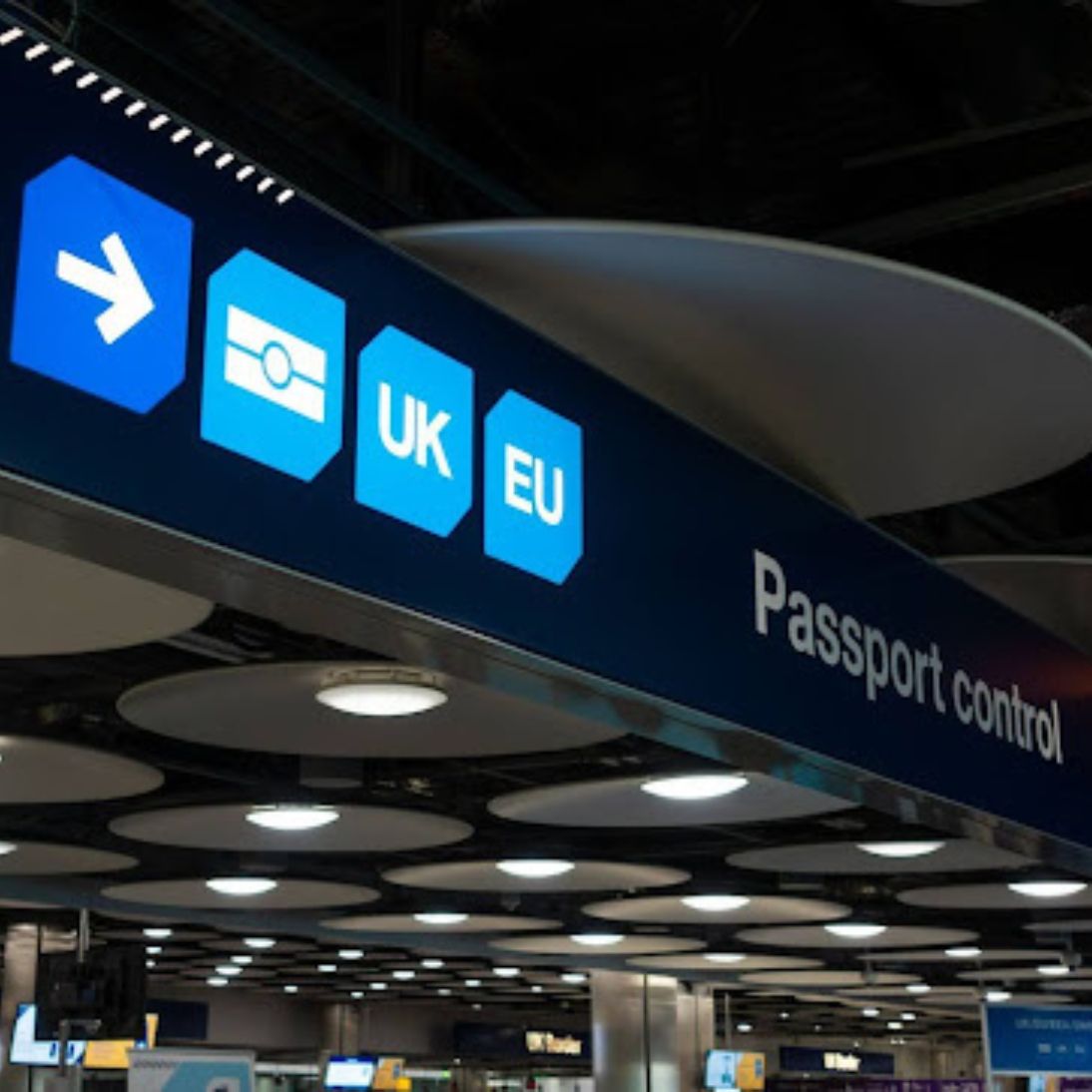
UK passport holders can travel to the Republic of Ireland without a travel visa, ETIAS or EES registration under the Common Travel Area (CTA) agreement. They may enter and remain in the Republic of Ireland with no time limit. Still, a valid ID like a passport is required for boarding flights or ferries.
What are the passport requirements for Visa-free travel to Europe?
What are EES and ETIAS, and how will they affect my travel?

ETIAS - Who should apply?
FAQs
How long does the visa application take?
For most holiday destinations, travel visa applications from the UK take between 1 to 4 weeks to process. Some countries offer e-visas or visas on arrival, which are faster. Others require a full embassy application which takes longer. Priority or express options may be available for last-minute holidays (at an extra cost).
What documents do I need for the visa application?
Every country has its own rules, but here’s what documents you’ll usually need:
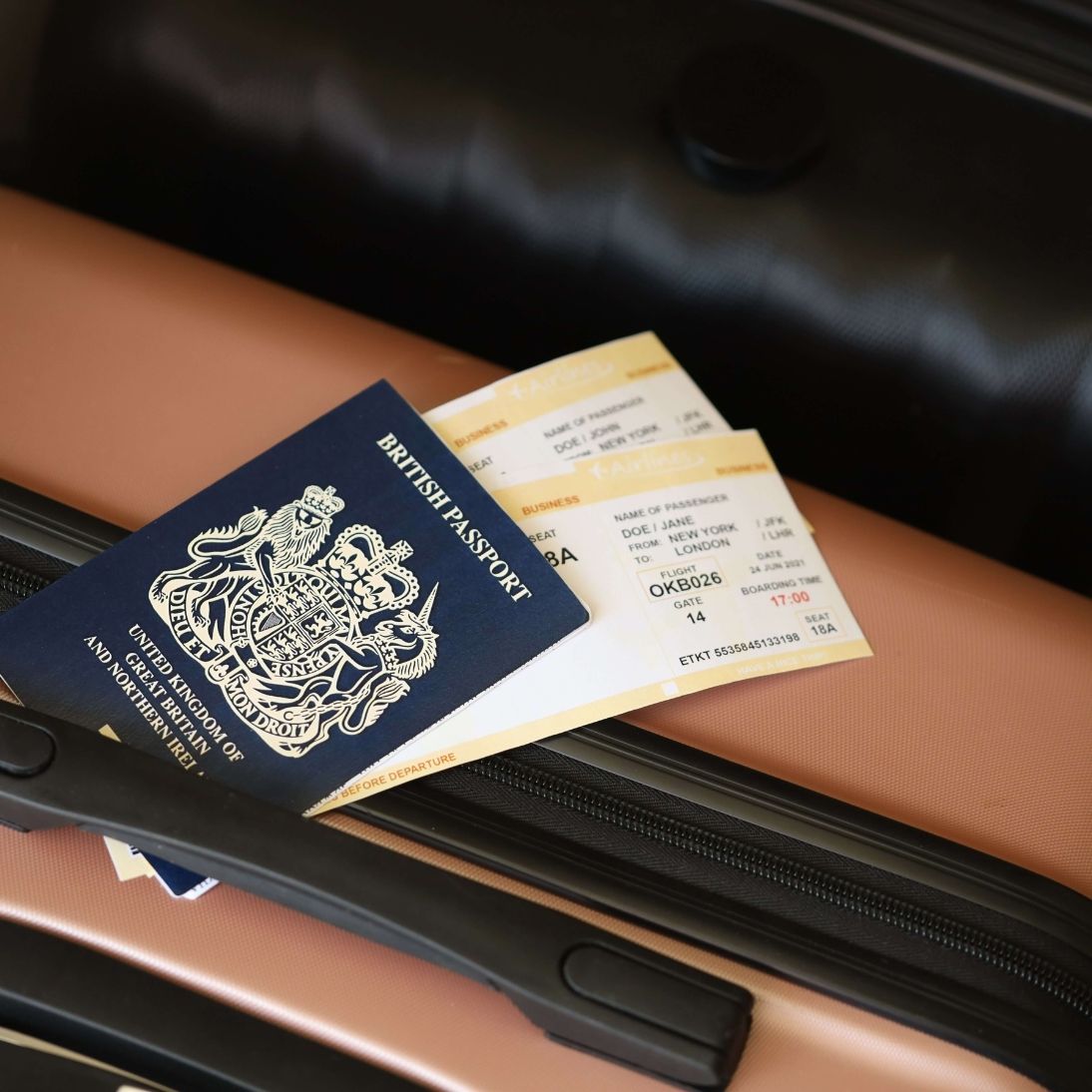
- • A valid UK passport (often with 6+ months left)
- • A visa application form (online or paper)
- • Recent passport photos
- • Travel details (flight bookings, hotel reservations)
- • Proof of funds
- • Travel insurance
Some countries may also ask for:
- • Travel itinerary
- • Invitation letter (if staying with family/friends)
- • Vaccination certificates
Where do I apply - embassy, online, or visa centre?
If you’re in the UK and need a visa to visit another country, you can apply through that country’s embassy, or official visa provider. Most countries now offer online visa applications (e-visas) or require you to book an appointment at their visa application centre.
What are the visa fees and can I get a refund if denied?
Visa fees vary depending on the country you’re visiting, the type of visa you apply for, and how quickly you want it processed. Visa applications fees are generally non-refundable once a decision has been made - even if your application is refused.
How does an ETA work?
An ETA (Electronic Travel Authorisation) is a digital entry permit for visa-free travellers. You apply online, pay a small fee, and it’s linked to your passport. It’s usually approved quickly and checked electronically at the border - no paper needed.
What is the Common Travel Area (CTA) agreement?
The Common Travel Area (CTA) is an open border travel arrangement between the UK, Ireland and the Crown dependencies (Jersey, Guernsey, and the Isle of Man). It allows citizens of these areas to move freely without routine immigration checks or visa requirements. However, travellers still need to carry valid identification, such as a passport for boarding and security checks.
Do I need EES?
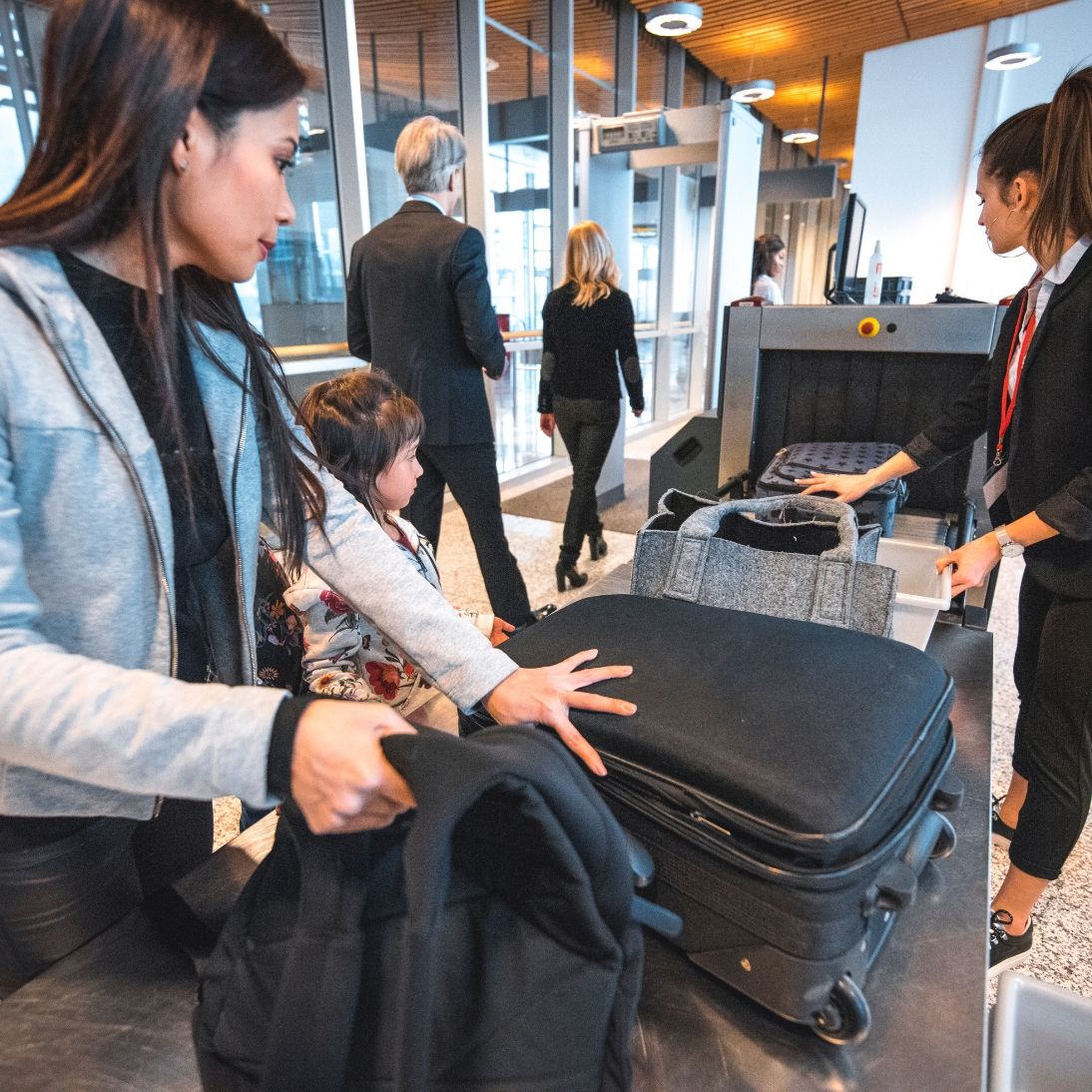
Yes, if you are a non-EU citizen travelling to the Schengen Area, EES applies to you. There’s nothing you need to do in advance - it’s handled automatically at the border.
Do I need ETIAS?
You’ll need ETIAS once it becomes active (expected late 2026) if:
- • You’re from a visa-exempt country
- • You’re travelling to a Schengen country for tourism, business, or transit (up to 90 days a 180-day period)
> More details on the European Travel Information and Authorisation System