




Aparthotel Adagio Access Muenchen City Olympiapark
Germany, Munich
 Your money is secured in a trust account
Unlike many other travel companies we operate on a trust account model. Once we’ve paid the airline for your flights, the rest of your money is held in a trust account. We do not have access to this directly and can only withdraw funds when you are back home from holiday

 ATOL & ABTA protected
All of our holidays that include flights are protected by the ATOL scheme from the moment you book. So if one of our suppliers fails, you’ll get your money back. If you’re left stranded abroad, a flight home will be arranged at no extra cost. Our ATOL number is 11806

 We're ABTA registered
As proud ABTA members we deliver the highest standards when it comes to our holidays. So if you book with us you’re guaranteed the best service. Our ABTA number is P8283, Y6720.


Germany, Munich

Germany, Munich

Germany, Munich

Germany, Munich
Germany, Munich
Munich holidays are all about Bavarian charm, beer gardens and Alpine backdrops. Munich city breaks mix historic squares and world‑class museums with leafy parks, riverside walks and a food scene that goes far beyond sausages and steins.
Bavarian spirit, not ‘typical Germany’
Munich feels distinctly Bavarian, with onion‑domed churches, timbered taverns and locals in traditional dress during festivals, setting it apart from other city breaks in Germany. It consistently ranks among Germany’s strongest economies, proving you can have both extra holidays and serious productivity - they really must be doing something right.
Must‑see sights in Munich
Marienplatz is the city's historic heart, where the neo‑Gothic New Town Hall and its famous Glockenspiel draw crowds before you wander on to the nearby Viktualienmarkt food market. For a slower pace, head to the Englischer Garten, one of the world’s largest urban parks, where you can watch surfers riding the Eisbach wave before relaxing under chestnut trees with a cold drink.
Culture, museums and green spaces
Art fans can spend hours in the Pinakothek museums, while science and engineering enthusiasts are drawn to the vast collections of the Deutsches Museum on an island in the Isar. When you need a breather from the city streets, lakeside paths, riverside beer gardens and views towards the Alps make Munich holidays perfect for blending culture, cuisine and fresh air in one easy getaway.
Food, beer halls and markets
A Munich city break is heaven for food lovers, from crisp roast pork and giant pretzels to delicate veal weisswurst sausages served with sweet mustard and a freshly poured wheat beer. Pull up a pew in a traditional beer garden, such as the one at Viktualienmarkt, where you can snack on local cheeses and cured meats from the surrounding stalls or bring your own picnic, just like the locals.
Oktoberfest and beer culture
If your holiday to Munich coincides with late September or early October, you'll see the city in full festival mode as Oktoberfest takes over the Theresienwiese with huge tents, live bands and rivers of Bavarian beer, even though it is not an official public holiday. Expect to spot locals in lederhosen and dirndls not just at the festival grounds but in beer halls across the city, with the party atmosphere spilling into streets, parks and late‑night U‑Bahn rides.
Interested in visiting? Check out our Oktoberfest & German Beer Festivals guide.
Good to know
Bavaria is a predominantly Catholic region. Expect most places to be closed for the feasts of Epiphany (6 January), Good Friday, Easter Sunday and Easter Monday, Ascension (40 days after Easter), Corpus Christi (60 days after Easter), Assumption of Mary (15 August), All Saints Day (1 November), as well as Christmas Day and Boxing Day. Some cafes, bars and restaurants open on the majority of those days, but reserve a table as they’ll likely be busy, and don’t expect any live bands or performances.
More Travel Guides
Average highs of around 24°C in summer and 3°C in winter
Munich Airport (MUC), around 35km north east of the city centre.

Germany, Munich

Germany, Munich

Germany, Munich

Germany, Munich

Germany, Munich

Germany, Munich
Germany, Munich

Germany, Munich

Germany, Munich

Germany, Munich

Germany, Munich

Germany, Munich

Germany, Munich
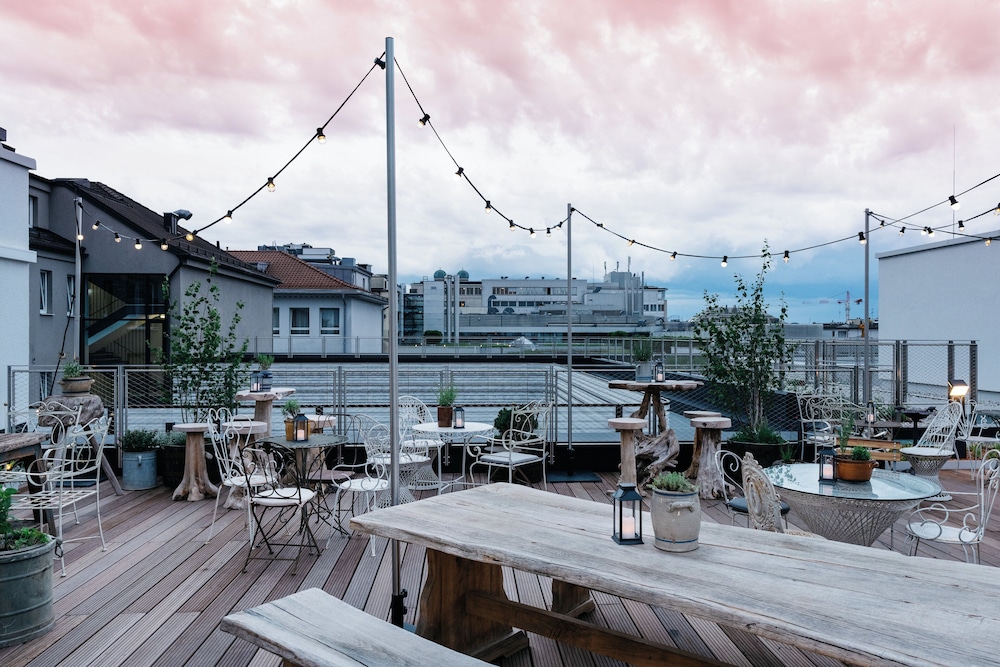
Germany, Munich

Germany, Munich

Germany, Munich
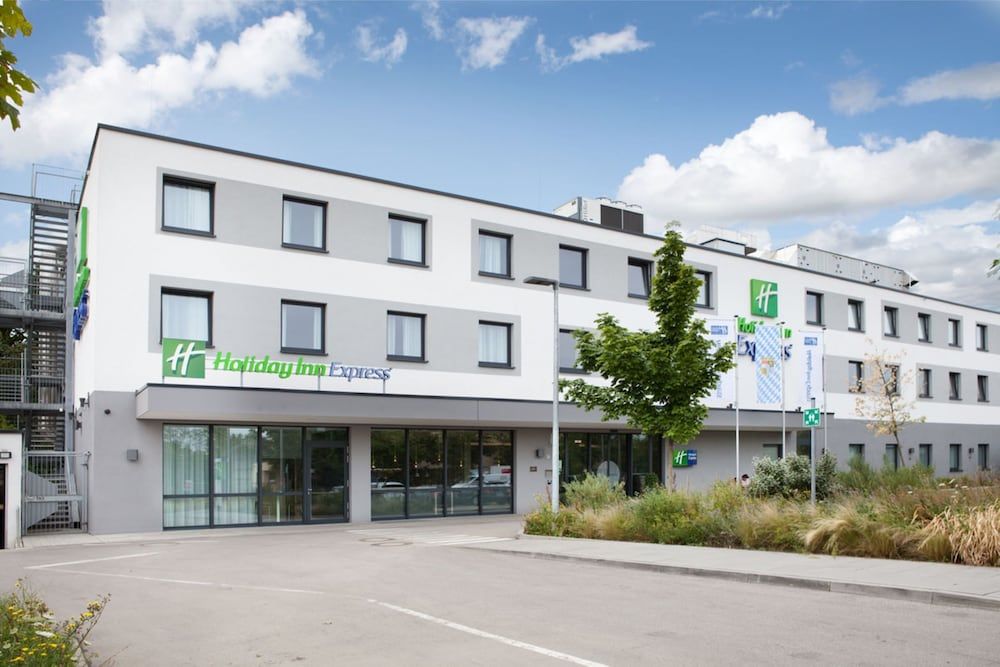
Germany, Munich

Germany, Munich

Germany, Munich

Germany, Munich
Oktoberfest in Munich usually ends on the first Sunday in October and starts 16 days before that date, so exact dates change slightly each year. Oktoberfest 2026 will start on 19 September and end on 4 October. A smaller festival called Frühlingsfest (Spring Festival) takes place on the same Theresienwiese site in Spring. For 2026 it will be from 17 April to 10 May.
Dressing up is optional. If you choose to wear the traditional outfit - for men it’s snug lederhosen with braces, teamed with a checked shirt. For women it's a Bavarian dirndl dress worn over a white blouse, finished with an apron tied at the waist. For the apron ties, placement matters. Knotting the bow on the left signals you’re single, while tying it on the right suggests you’re in a relationship. Avoid centering the bow, as that indicates you’re one of the servers!
Lines S1 and S8 on Munich’s S-Bahn connect the airport (Flughafen München) with the central station (Hauptbahnhof) and city centre. Both lines operate every 40 minutes, combining to offer an airport train every 20 minutes.
If you’re travelling to the airport on line S1 be aware that services are operated by pairs of trains. They separate at Neufahrn bei Freising, with one going to the airport and the other going to the town of Freising. So take careful note of the platform displays, or the destination display on the side of the train, to ensure you board the correct one. Freising is a pretty Bavarian town, but not somewhere you want to see when you’re due to check in for your flight home!
The S-Bahn is a suburban rail system, consisting of eight lines. It’s mainly above ground, but drops below ground level in the city centre - similar to some London Underground lines, or the Merseyrail system in Liverpool. The S-Bahn connects Munich with the airport and other towns in the region. Stations have a circular green sign with a S on them.
The U-Bahn is a predominantly underground railway, also consisting of eight lines. It’s more focused on the Munich urban area. You may decide to use it to get between your hotel and the central station, or to reach the Oktoberfest site. U-Bahn stations have a square blue sign with a U on them.
Both systems are covered by integrated ticketing, along with buses and trams. If you’ve visited other German cities you may be surprised by the cost of tickets in Munich, as they’re more pricey.
Yes. Although, you probably won’t need to show it. Germany and Austria are both part of the Schengen area meaning there’s no regular passport checks when travelling between the two countries. However, you might be asked to show your passport. In which case it would not be seen as acceptable to say it’s in the hotel back in Munich!