Best Western Plus Globus Hotel
Italy, Rome
Unlike many other travel companies we operate on a trust account model. Once we’ve paid the airline for your flights, the rest of your money is held in a trust account. We do not have access to this directly and can only withdraw funds when you are back home from holiday
All of our holidays that include flights are protected by the ATOL scheme from the moment you book. So if one of our suppliers fails, you’ll get your money back. If you’re left stranded abroad, a flight home will be arranged at no extra cost. Our ATOL number is 11806
As proud ABTA members we deliver the highest standards when it comes to our holidays. So if you book with us you’re guaranteed the best service. Our ABTA number is P8283, Y6720.
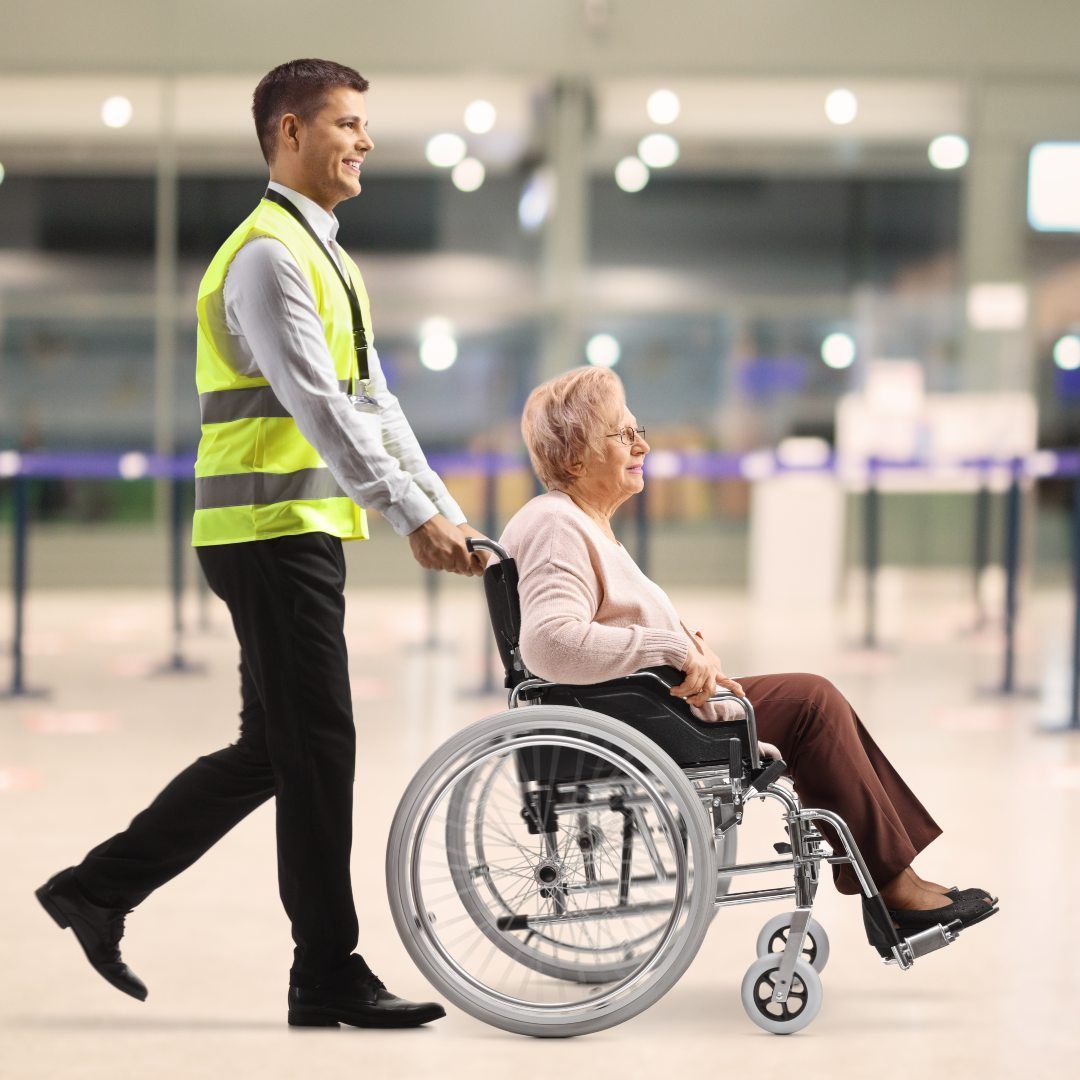
Before you reach your destination, you may have to navigate the hurdle of actually getting there. Fortunately, AccessAble and individual airports have produced detailed accessibility guides, helping you navigate everything from car parks and check-in to security to your departure gate. You can expect step-free routes, waiting areas reserved for wheelchair users, accessible toilets, and clear signage throughout the terminal. Digital tools, like real-time information screens and tactile paths, make it even easier to get where you need to go. If you'd like extra support, let your airline know in advance so assistance is ready when you arrive.
Useful links:
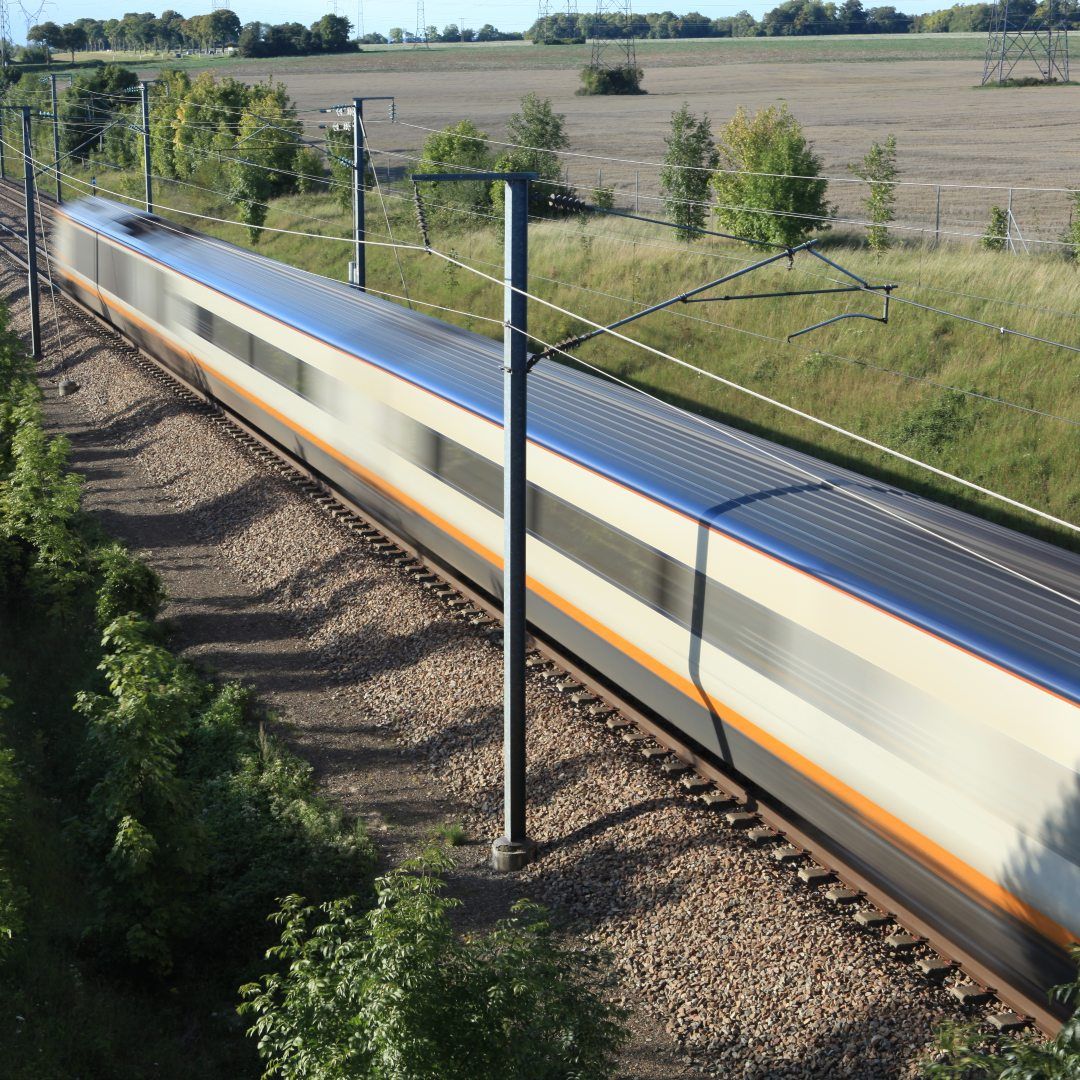
Heading to France, Belgium or the Netherlands? Eurostar is a fantastic alternative to flying, especially if you're starting from London. Eurostar Assist offers help at all major stations, from check-in through border control, right to your seat. You'll find step-free boarding, priority seating in the departure lounge, and help with luggage between the train and platform. Staff are also on hand when you arrive, so you're never left to find your way alone.
Looking ahead, there are exciting plans for direct train services between the UK and Germany. A landmark treaty was signed in July 2025 including plans to introduce direct trains between London and Berlin.
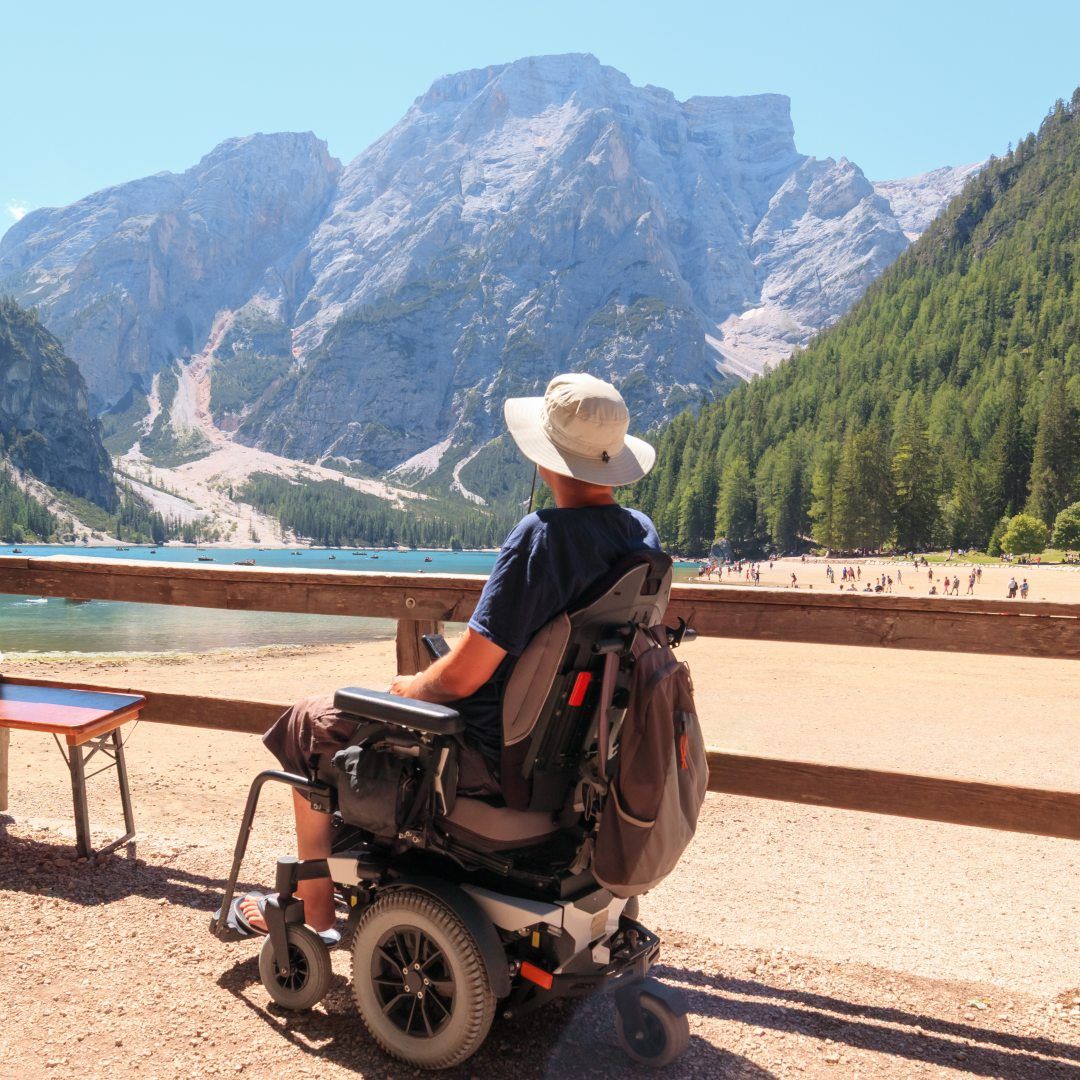
From step-free suites to sensory-friendly spaces and gluten-free menus, we believe everyone deserves an enjoyable holiday tailored to their needs. Whether you require accessible facilities, a helping hand for little ones with learning disabilities, or extra care with dietary requirements, our handpicked hotels make feeling at home easy - so everyone can relax and have fun together.
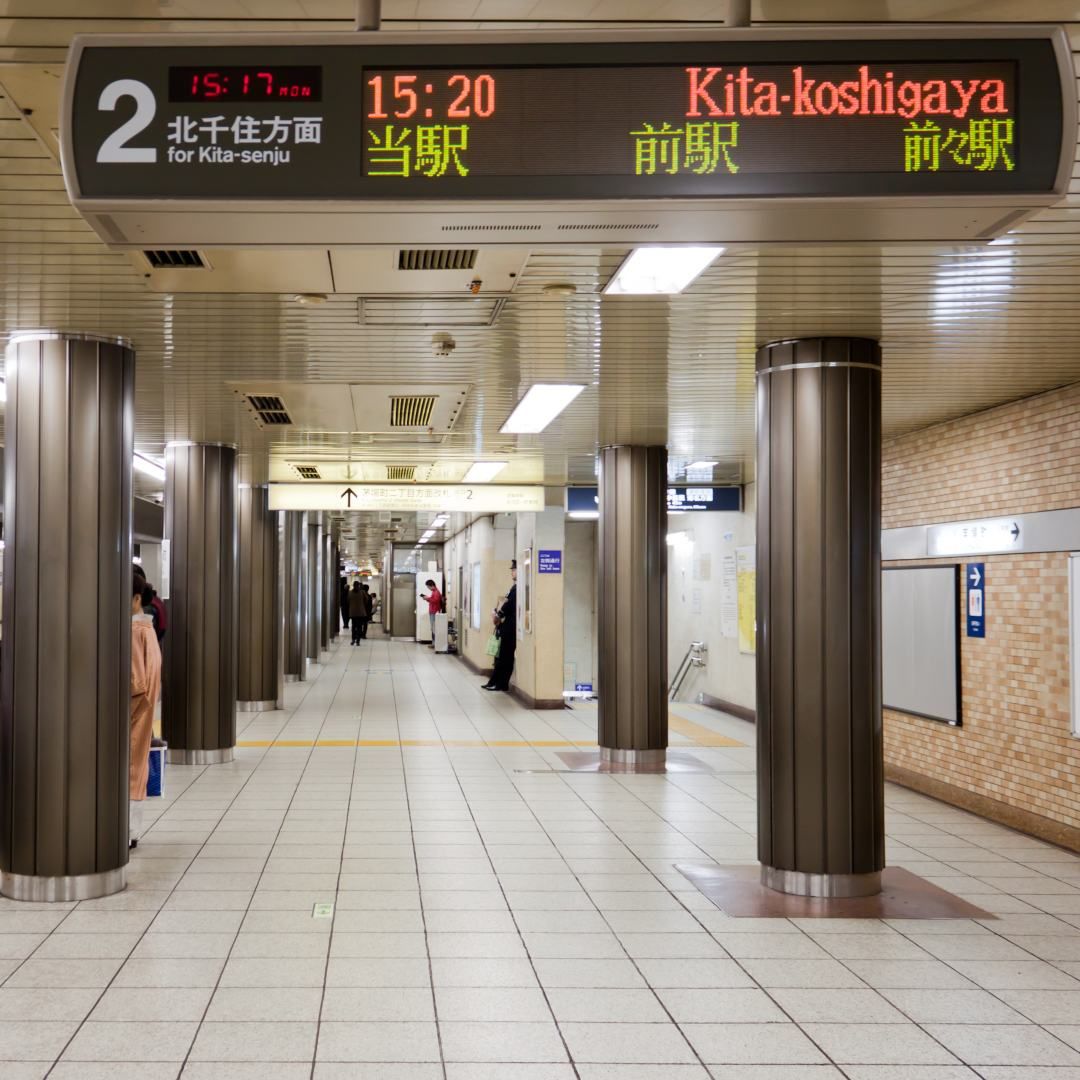
If you use buses, trains, trams or any other form of public transport in the UK you’ll probably be aware it’s now a legal requirement for wheelchair provision, bright destination displays and (in most cases) visual and audio stop announcements. Most European countries have similar requirements, but you may notice some differences on your travels.
If you head to Prague or Budapest you'll notice their classic 1970 trams are still going strong. These aren’t wheelchair accessible, but they only run alternate services. So if a vintage tram turns up, the next one will be a modern accessible one. The good news is the older trams have been retrofitted with other accessibility mods - such as next stop announcements, and an easy-to-use contactless payment system.
Bus networks across Europe vary: cities in Germany and Spain are known for their extensive use of real-time information displays and clear audible announcements - features that are still rolling out in many areas of the UK. If you find yourself on a bus without these, you can always find your stop on Google or Apple maps, and keep a close eye on your phone when it’s getting close.
Getting around a different city can sometimes feel confusing - especially if there are lots of bus, tram, or train lines to choose from. Fortunately, big cities have public transport maps that are simple, bright and easy to follow. Colour-coded routes and clear zone boundaries make it easier for everyone to find their way, and are particularly helpful if you have a learning difficulty like dyslexia.
Multilingual ticket machines are commonplace in major cities, removing any language barriers. At stations frequented by tourists in Spain it’s commonplace to find staff on hand if you struggle to use these. However, there are unstaffed stations where you’ll be reliant on a helpful local or fellow tourist.
Public transport accessibility varies widely. In North Africa, the infrastructure itself often lacks wheelchair access and step-free boarding, meaning many vehicles and stops are challenging for those with mobility needs. In Dubai, the public transport system is more advanced in accessibility, with metro stations and buses featuring ramps, audio-visual announcements, and reserved spaces for wheelchair users to ensure a smoother travel experience. In Thailand, accessible public transport is still developing; some newer buses and metro lines in Bangkok offer wheelchair access and audio-visual information, but many older services do not.
In the USA, accessibility is a legal requirement under the Americans with Disabilities Act (ADA). Cities like New York and regions such as Florida have made significant progress: buses are low-floor with ramps, trains have accessible boarding, and audio-visual announcements are standard. However, some older subway stations, especially in New York, still lack lifts, so it's wise to check station accessibility in advance.
In Mexico, accessibility is improving but remains inconsistent. Major cities like Mexico City have introduced accessible metro cars and buses with ramps and announcements, yet many routes and stops are still difficult to navigate for wheelchair users. Supportive apps and assistance services can help mitigate these challenges.