











Price Drop
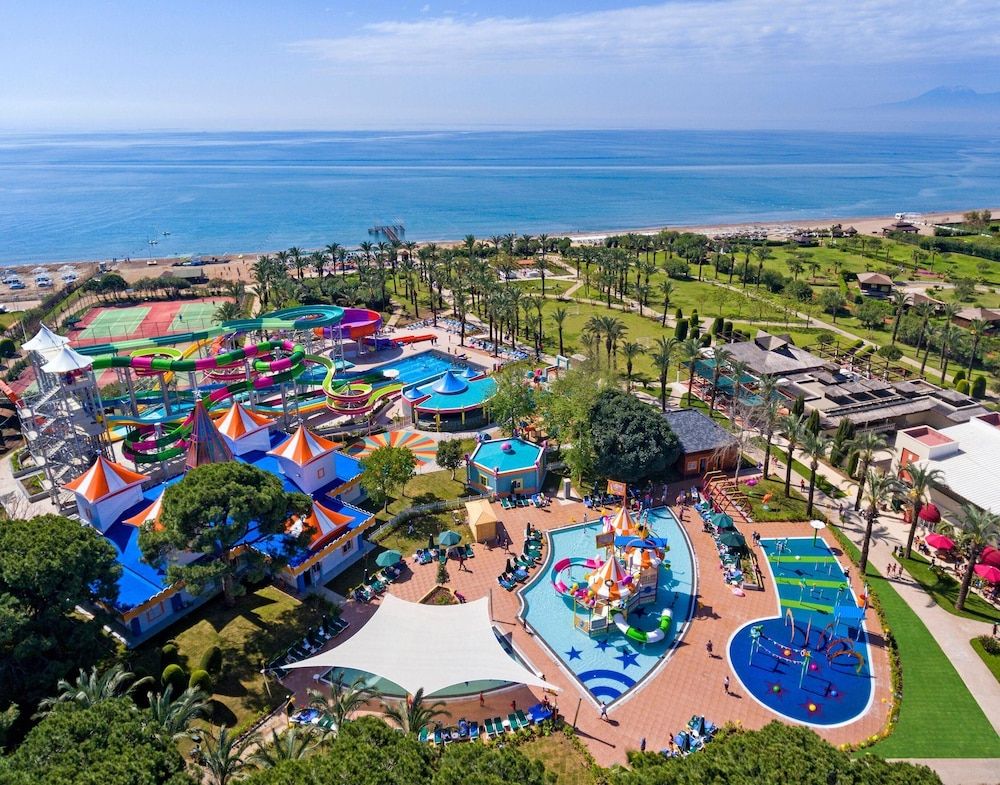
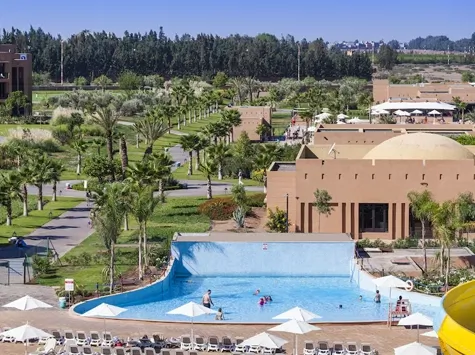
IC Hotels Green Palace & Villas - All inclusive
Turkey, Antalya
 Your money is secured in a trust account
Unlike many other travel companies we operate on a trust account model. Once we’ve paid the airline for your flights, the rest of your money is held in a trust account. We do not have access to this directly and can only withdraw funds when you are back home from holiday

 ATOL & ABTA protected
All of our holidays that include flights are protected by the ATOL scheme from the moment you book. So if one of our suppliers fails, you’ll get your money back. If you’re left stranded abroad, a flight home will be arranged at no extra cost. Our ATOL number is 11806

 We're ABTA registered
As proud ABTA members we deliver the highest standards when it comes to our holidays. So if you book with us you’re guaranteed the best service. Our ABTA number is P8283, Y6720.



Turkey is usually the stronger choice for value and All Inclusive ease, while Greece is the better option if island hopping and history are high on your list. We've compared them on budget, beaches, weather, food and holiday style to help you decide.
If you’re deciding between Greece and Turkey, this table compares them across the things that matter most when booking a holiday.
Turkey: All Inclusive is widely available, with costs typically lower than Greece.
Greece: All Inclusive is available on the larger islands, though costs vary more by season.
Turkey: Hot weather from May to October.
Greece: Warm weather from late spring to October.
Turkey: Long golden beaches, pine-fringed coves and turquoise water.
Greece: Sandy beaches, whitewashed harbours and dramatic island coastlines.
Turkey: Meze, grilled kebabs, fresh seafood and sweet pastries.
Greece: Tavernas serving grilled seafood, souvlaki, Greek salads and local specialities.
Turkey: Large All Inclusive resorts with waterparks.
Greece: Family-friendly islands with beach resorts.
Turkey: Beach resorts, bars and late-night entertainment.
Greece: Party islands alongside quieter harbour towns.
Turkey: 4–4.5 hours.
Greece: 3–5 hours.
Turkey: All Inclusive hotels across many major resorts.
Greece: All Inclusive hotels on many Greek islands.

Turkey generally offers better value than Greece, particularly if you’re booking an All Inclusive holiday. Larger hotels, purpose-built beach resorts and an extensive range of Turkey All Inclusive holidays mean your money stretches further, especially during the school holidays.
That doesn’t mean Greece has to be expensive. Larger islands such as Crete, Rhodes and Kos have hotels for different budgets, while the smaller islands are usually pricier because accommodation is more limited and demand is higher. Travelling outside the busiest months can also make a noticeable difference to prices.
Both destinations cover the full range too, from simple three-star hotels to five-star resorts, so there's something to suit most budgets whichever country you pick.
It’s also worth looking beyond the package price. In Turkey, an All Inclusive hotel makes it easier to keep holiday spending under control, with meals, drinks and entertainment included. In Greece, All Inclusive is available on many islands, but Bed & Breakfast and Half Board are also common if you’d rather spend your evenings trying different tavernas.
Whichever destination you choose, package holidays that include flights are ATOL protected, so your money is covered from the moment you book. As ABTA members, we also follow industry-leading standards for financial protection and customer service.
Turkey is the stronger choice if keeping costs down is your priority. Greece is worth paying more for if you’ve got your heart set on a particular island or your holiday is centred around eating out.

Turkey is warmer if you’re travelling in spring or October, when temperatures are usually a few degrees higher than Greece. In July and August, Greece and Turkey are equally strong choices, with consistently hot weather and warm seas across both countries. Met Office data shows Mediterranean summers have been getting hotter and drier in recent years, so it's worth thinking about the shoulder seasons if you'd rather skip the most intense midday heat. The right time to travel comes down to how much heat you’re looking for and whether you prefer sightseeing or long beach days.
If you’re travelling early in the season, Turkey is likely to feel warmer. Antalya averages 20–23°C in April, with low rainfall and long hours of sunshine, while Bodrum reaches around 20°C too, making it a great time for sightseeing before the busiest months and crowds arrive. Greece averages 18–22°C in April, with temperatures that are ideal for exploring villages, coastal paths and historic sites before summer. If you’re hoping to spend every day on the beach, Turkey is usually the safer bet at this time of year, though both destinations offer comfortable conditions for city and countryside days out.
If your priority is the hottest weather, July is when both destinations are at their warmest. Turkey weather in July regularly sees southern resorts, including Antalya, Bodrum and Marmaris, reach highs of around 32 to 33°C, with long sunny days and very little rainfall - some of the warmest, driest conditions of the year along the coast. Greek islands such as Crete, Rhodes and Santorini average a slightly cooler 30°C by comparison. Sea temperatures reach 25 to 27°C in Greece and are similarly high along Turkey's coast, making it easy to alternate between the beach and the water throughout the day.
The sunshine continues well beyond the school holidays. Turkey averages 25–28°C in October, with clear skies and mild evenings, while Greece also reaches 25–28°C, particularly across the southern islands, where the sea is still warm enough for swimming. If you’re travelling in October, Turkey is more likely to deliver the highest temperatures, although Greece’s southern islands still enjoy settled weather and comfortable sea temperatures.

Greece and Turkey feel quite different once you’re there. In Turkey, many holidays centre on one resort, making it easy to fill your days without travelling far. In Greece, choosing the island is often the biggest decision, as each one has its own scenery, coastline and character.
In Turkey, Antalya is a favourite with families thanks to its large beachfront hotels, which bring pools, restaurants, entertainment and the beach together in one place. In Bodrum, whitewashed streets tumble down to the marina, and the waterfront stays busy long after the sun goes down.
Head to Marmaris if you’d like to spend time on the water, with boat trips leaving the harbour throughout the day and water sports spread along the bay. Ölüdeniz is home to the Blue Lagoon, its calm, sheltered water framed by paragliders gliding down from Babadağ. Explore our Turkey holidays to compare these resorts.
In Greece, Crete brings together Venetian harbours, mountain villages and long sandy beaches on a single island. Rhodes pairs time by the sea with one of Europe’s best-preserved medieval towns.
Corfu has a greener feel than many Greek islands, with olive groves and cypress trees stretching towards sheltered coves. Over on Kos, the flat landscape makes cycling an easy way to reach beaches, cafés and archaeological sites. Many people spend the week on one island, while others travel between two or more by ferry, seeing a different side of Greece each time. Compare our Greece holidays to find the island that’s right for you.

Food is one of the clearest differences between Greece and Turkey. In Turkey, restaurants, cafés and bazaars stay busy long after the beach has emptied, and a visit to a traditional hammam is part of the holiday in many resorts. Expect generous plates of meze, grilled kebabs and sweet baklava, with regional recipes changing from one part of the country to the next.
In Greece, lunch can easily stretch into the afternoon at a family-run taverna before an evening spent by the harbour or in a village square. Ancient history is woven into everyday life too, from the Acropolis in Athens to Rhodes’ medieval Old Town and the Palace of Knossos in Crete. If you’re happiest alternating between sightseeing and the beach, Greece has a little more to keep you occupied.
Turkey is the stronger choice, thanks to its large All Inclusive resorts, waterparks and family-friendly facilities. Greece is a good option if you’re looking for smaller resorts and quieter beaches.
Greece is ideal if you’re picturing harbour walks, independent restaurants and exploring somewhere new together. Turkey is a great match for stylish hotels, spa breaks and evenings that continue long after sunset.
Turkey takes the guesswork out of planning, with many holidays centred on one resort. Greece is a better fit if you’re happy choosing an island first and exploring from there.
Turkey generally gives you more for your money, particularly if you’re booking All Inclusive.
Turkey is the one to pick if late nights are high on your list, especially in resorts such as Bodrum and Marmaris. Greece also has lively islands, balanced by quieter destinations if you’d rather keep things low key.
Greece is hard to beat, with ancient sites woven into everyday life across many of its islands and on the mainland.

Turkey, Antalya
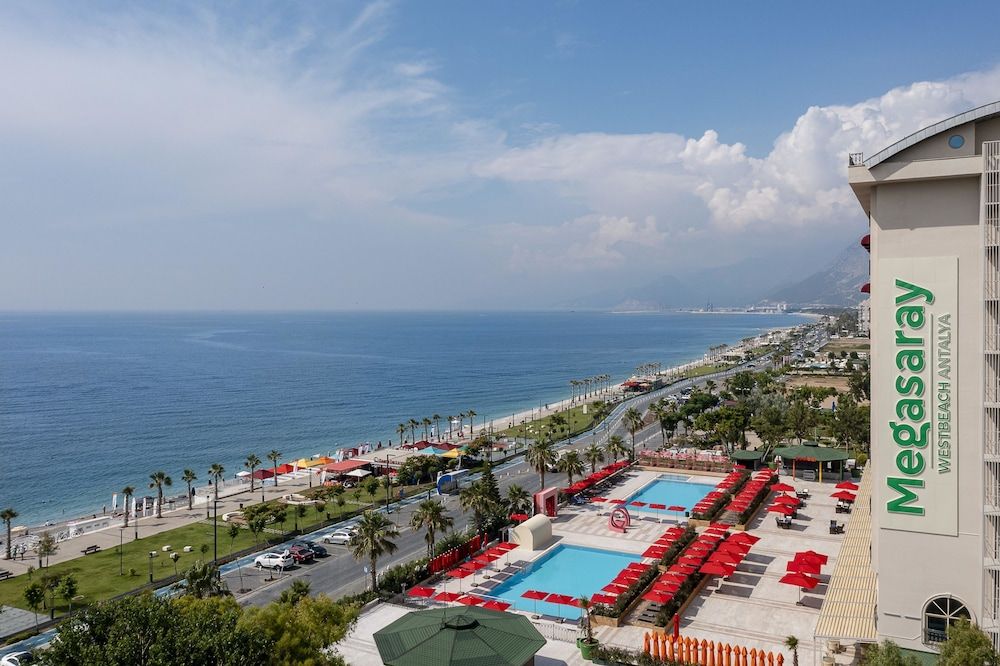
Turkey, Antalya

Turkey, Antalya

Turkey, Antalya
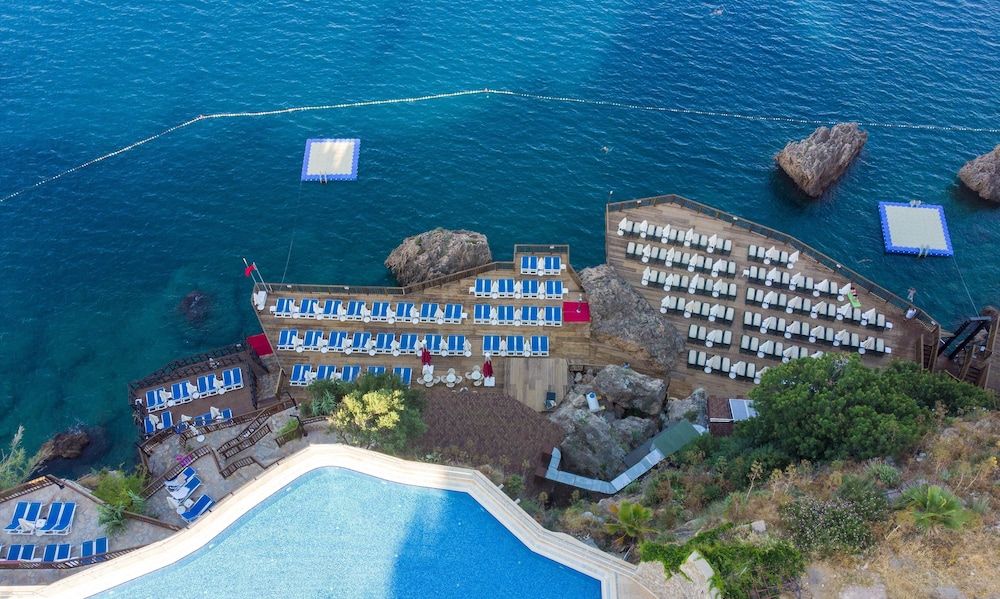
Turkey, Antalya
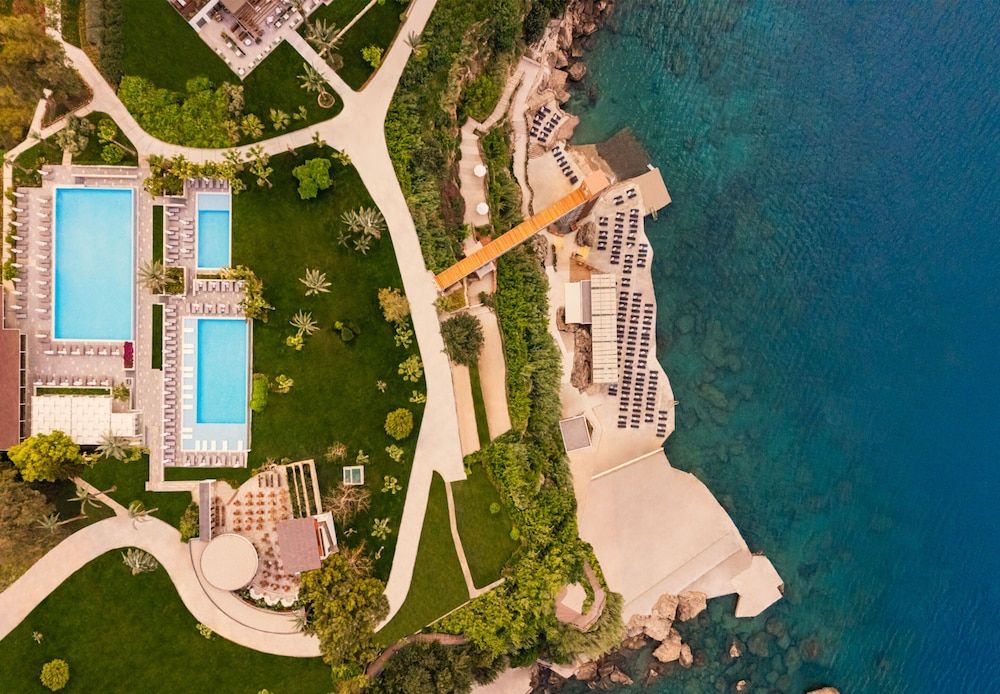
Turkey, Antalya
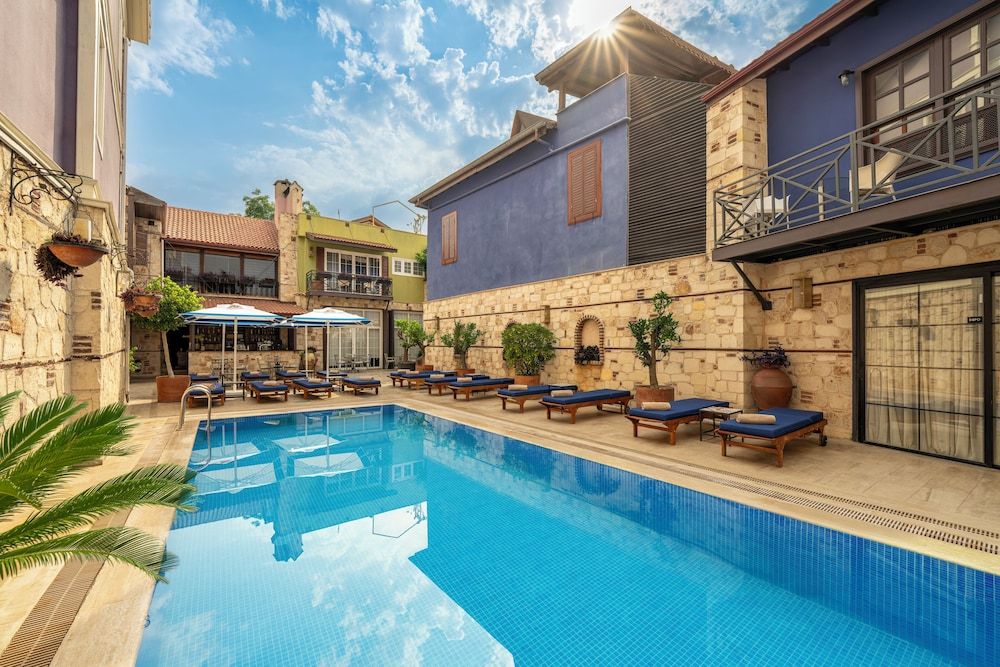
Turkey, Antalya
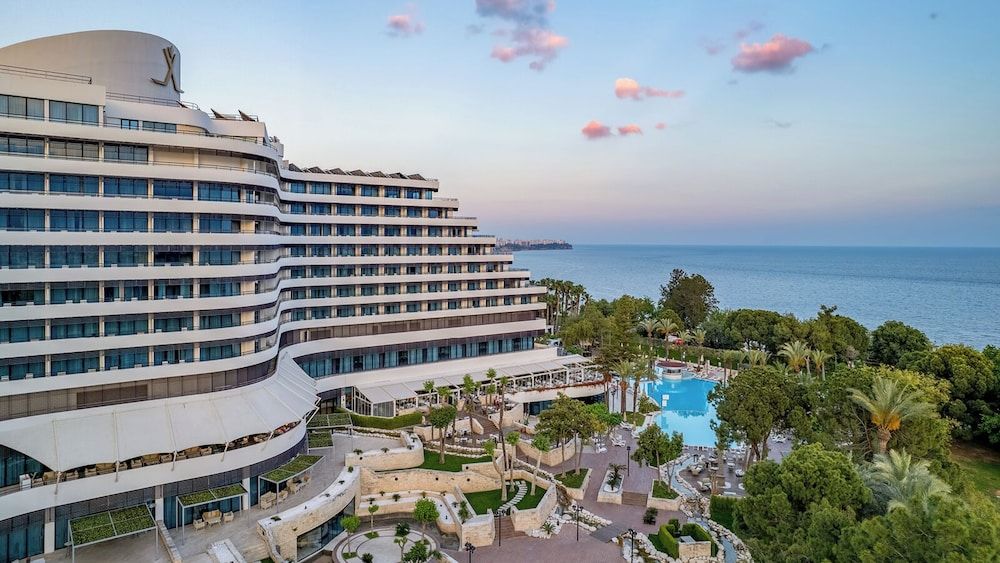
Turkey, Antalya
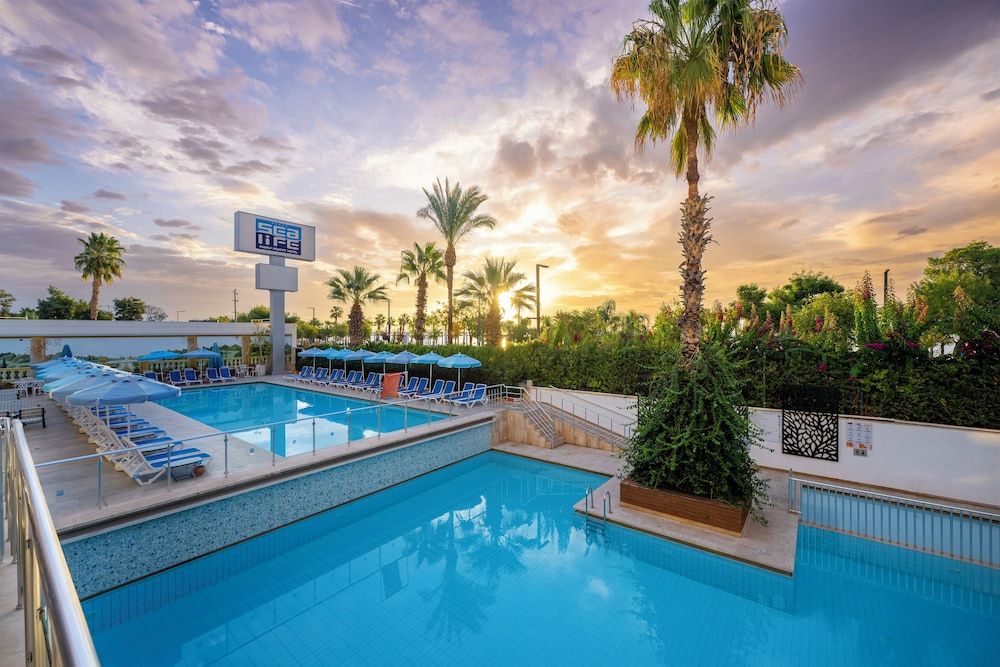
Turkey, Antalya
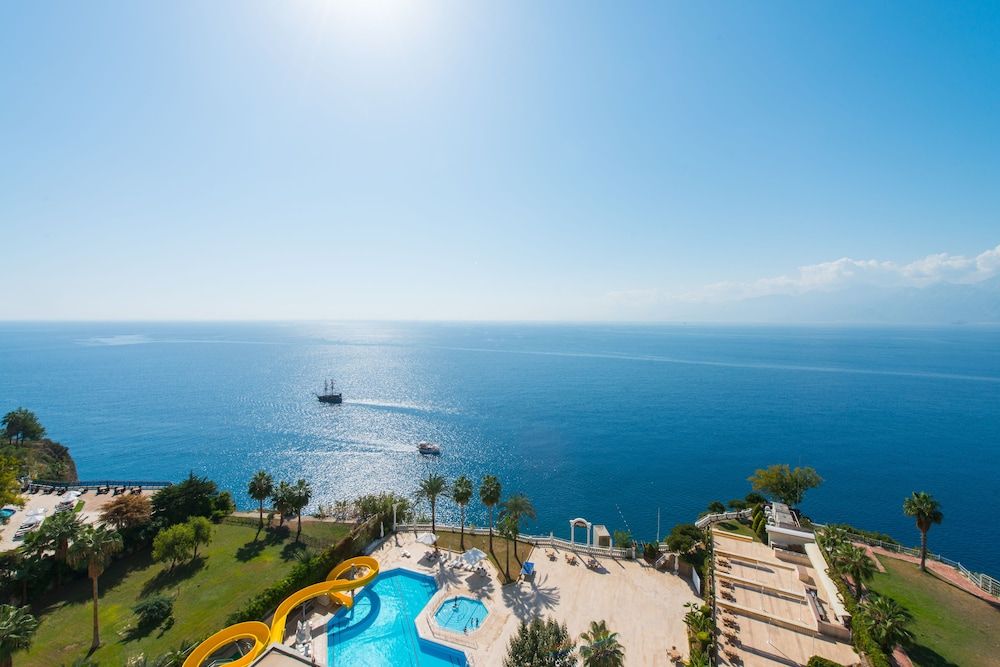
Turkey, Antalya
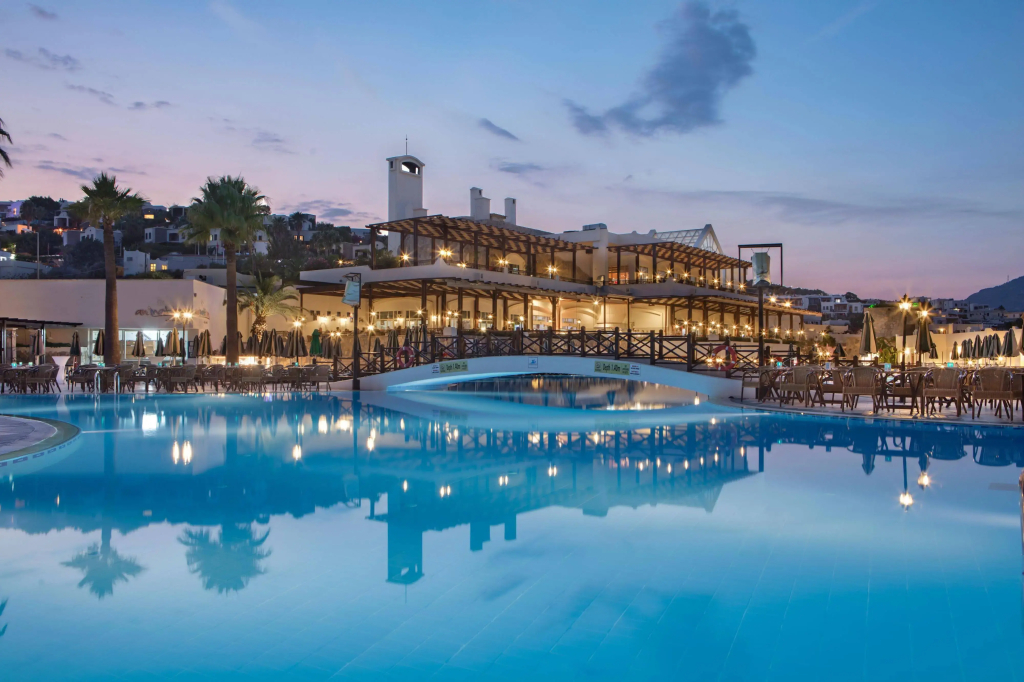
Turkey, Bodrum

Turkey, Bodrum
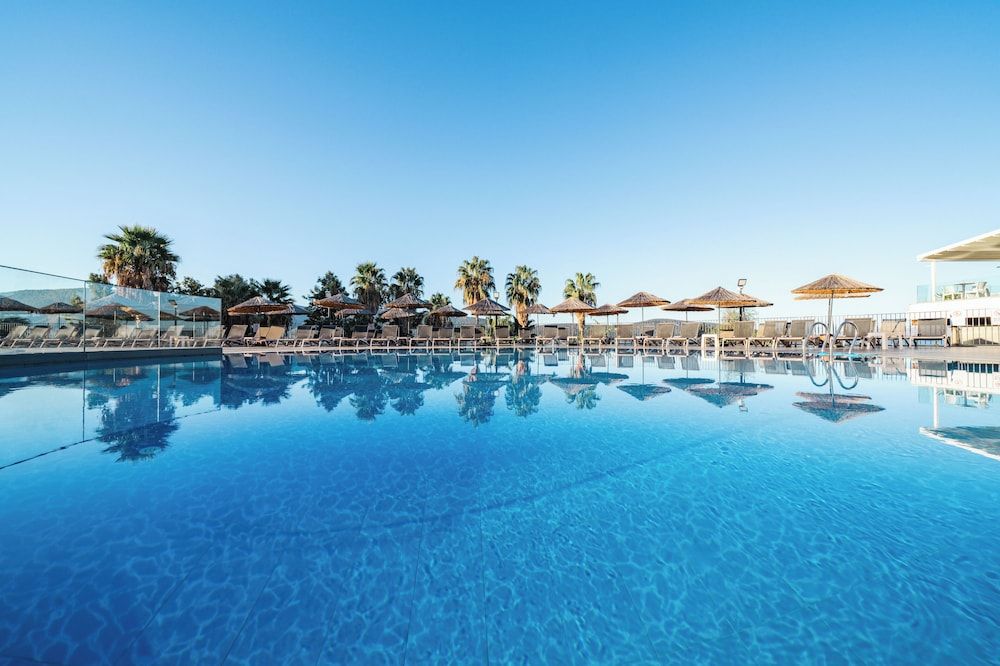
Turkey, Bodrum
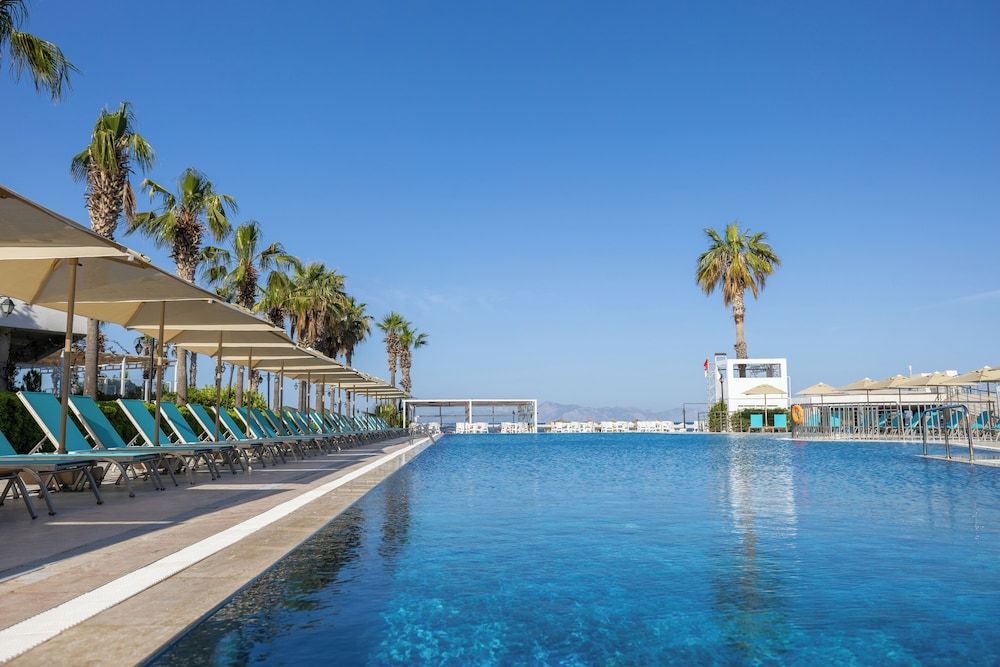
Turkey, Bodrum
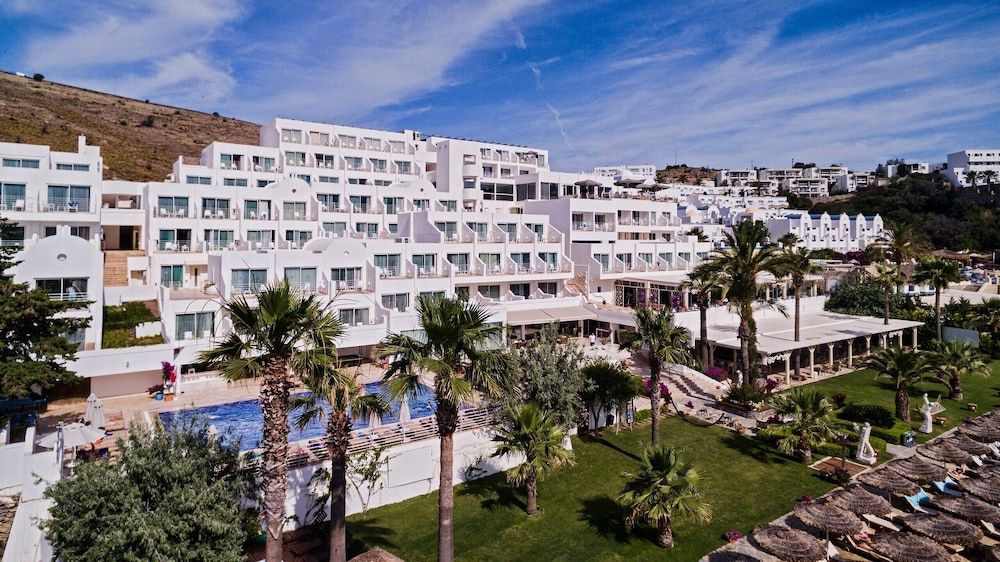
Turkey, Bodrum
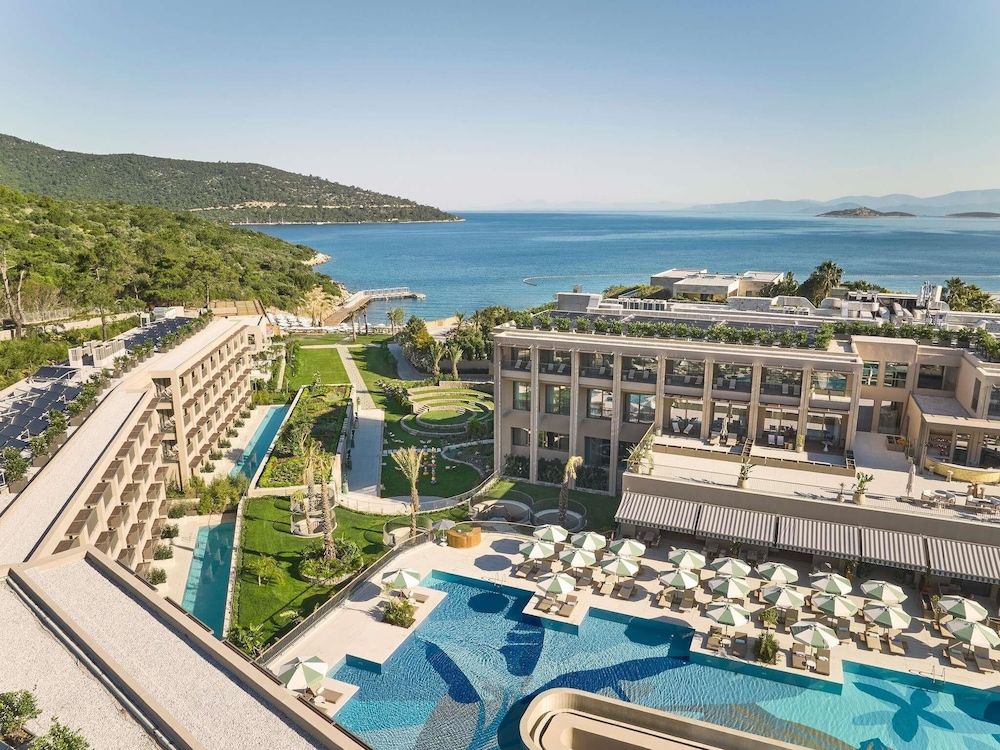
Turkey, Bodrum

Turkey, Bodrum

Turkey, Bodrum

Turkey, Bodrum
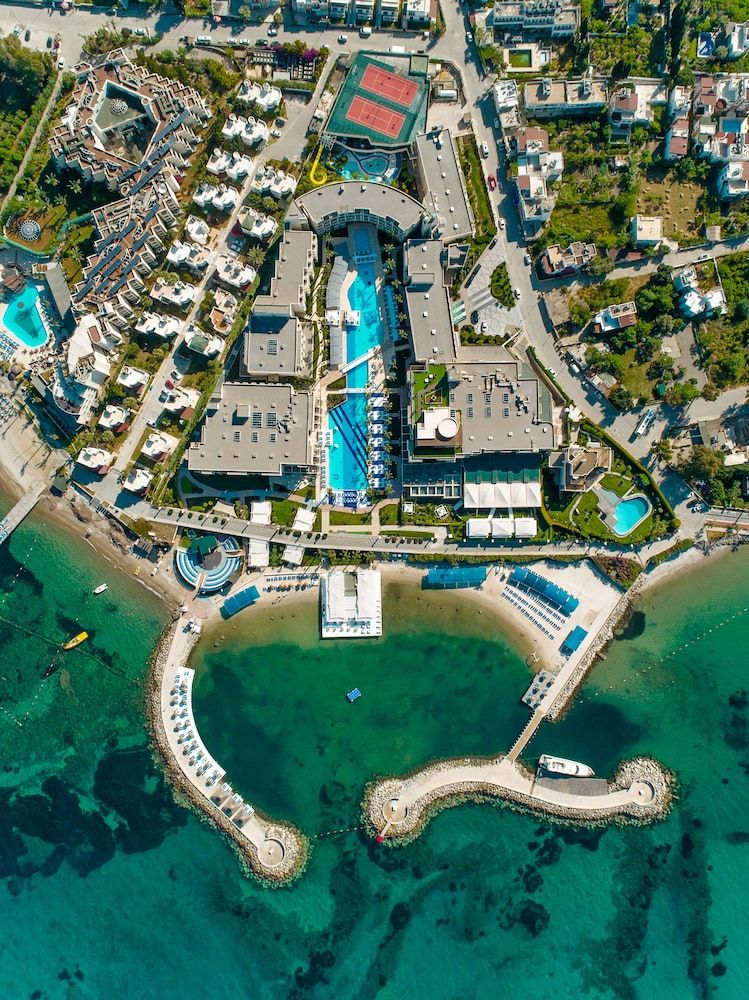
Turkey, Bodrum

Greece, Elounda

Greece, Hersonissos
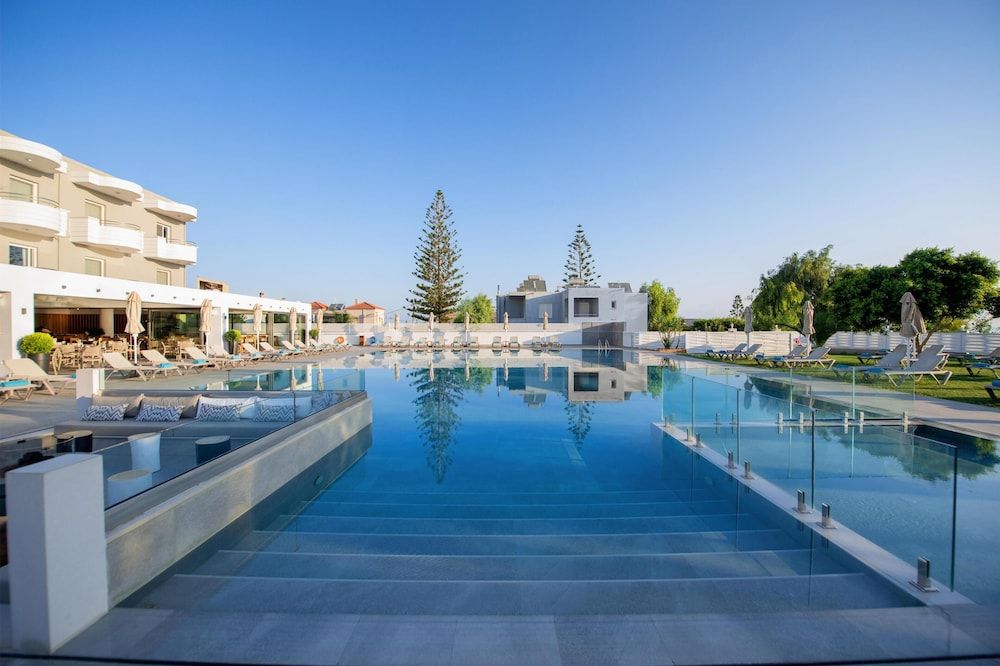
Greece, Chania
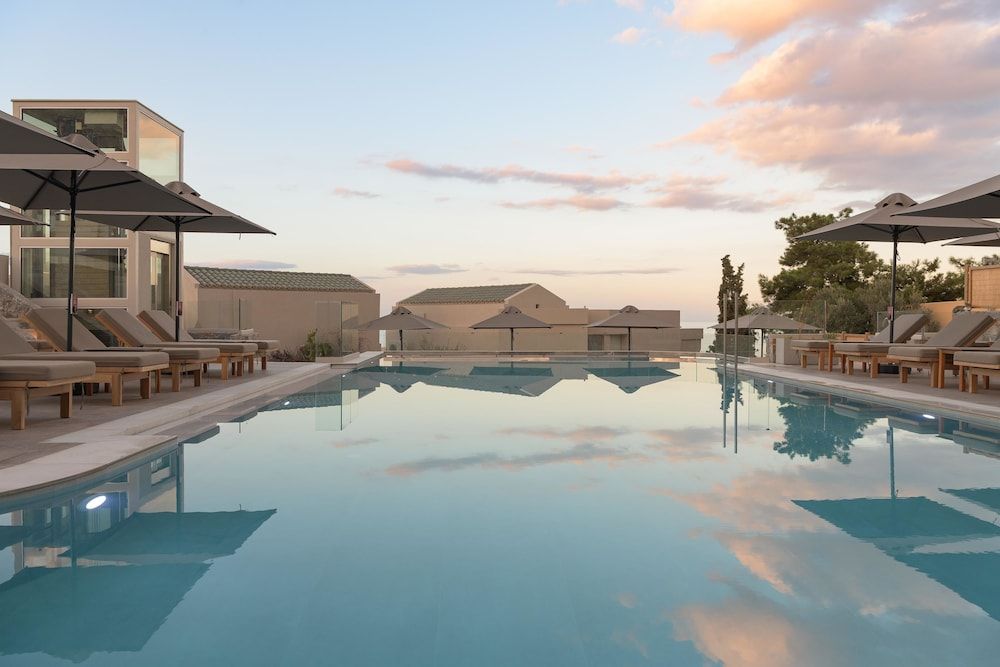
Greece, Hersonissos
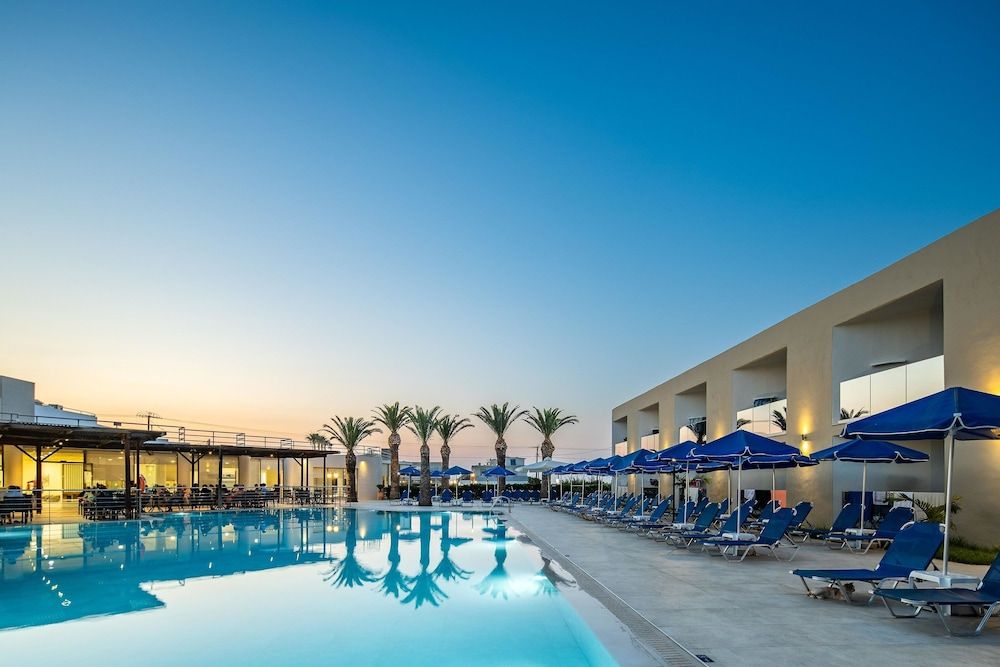
Greece, Rethymnon
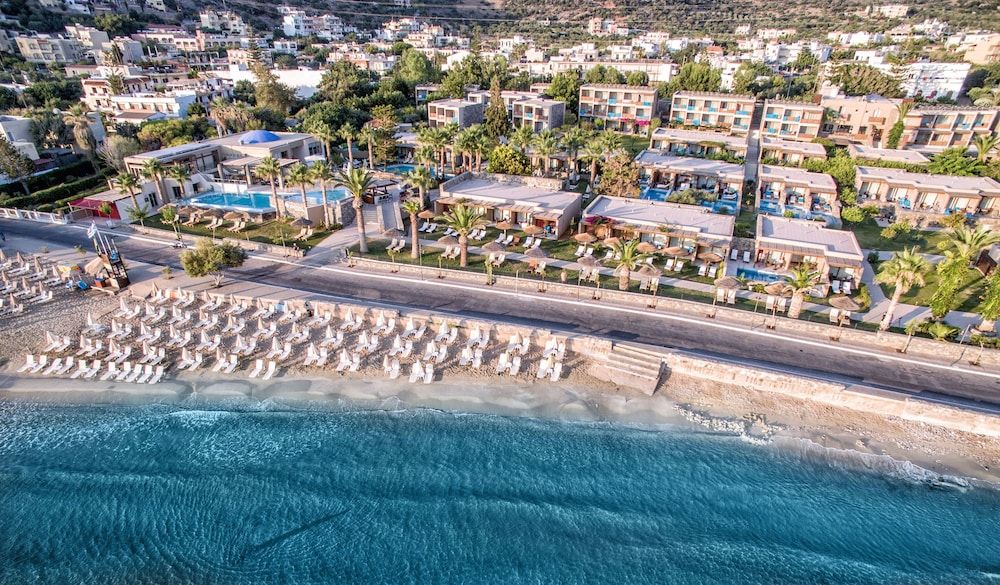
Greece, Stalida
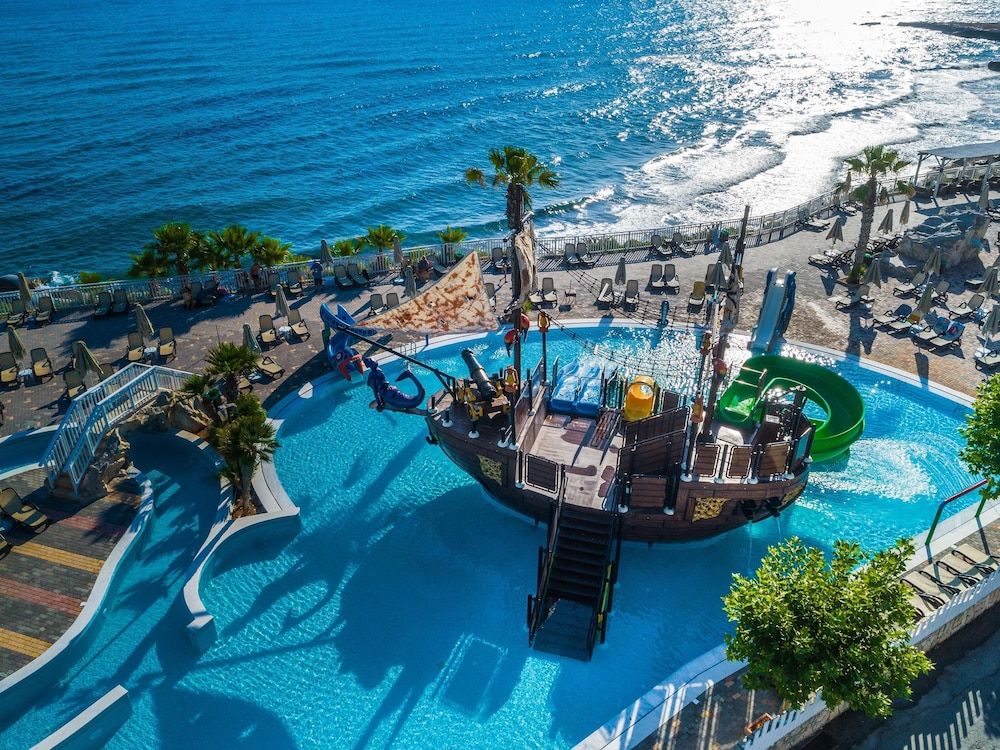
Greece, Hersonissos

Greece, Hersonissos

Greece, Gouves
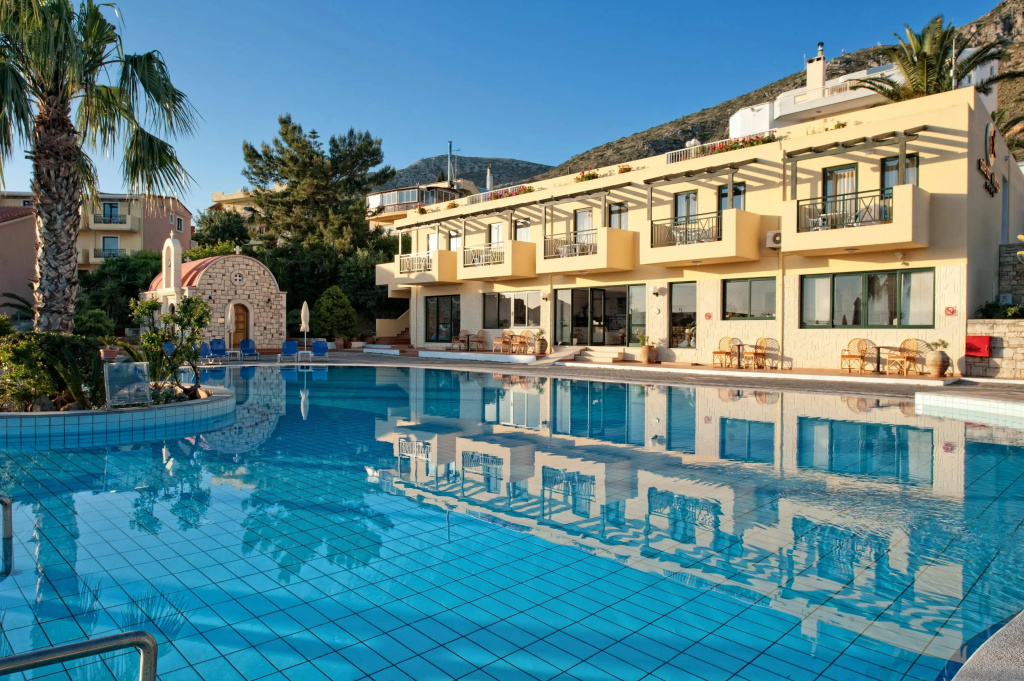
Greece, Hersonissos
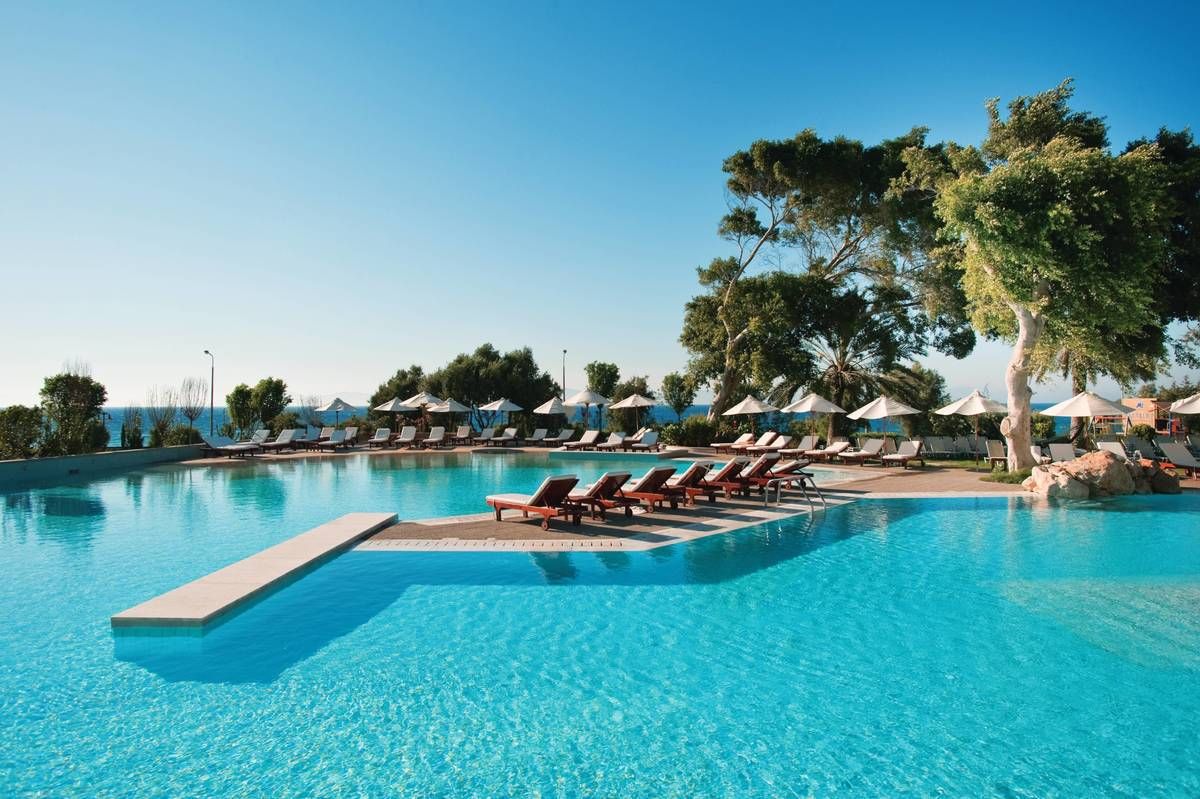
Greece, Rhodes Town
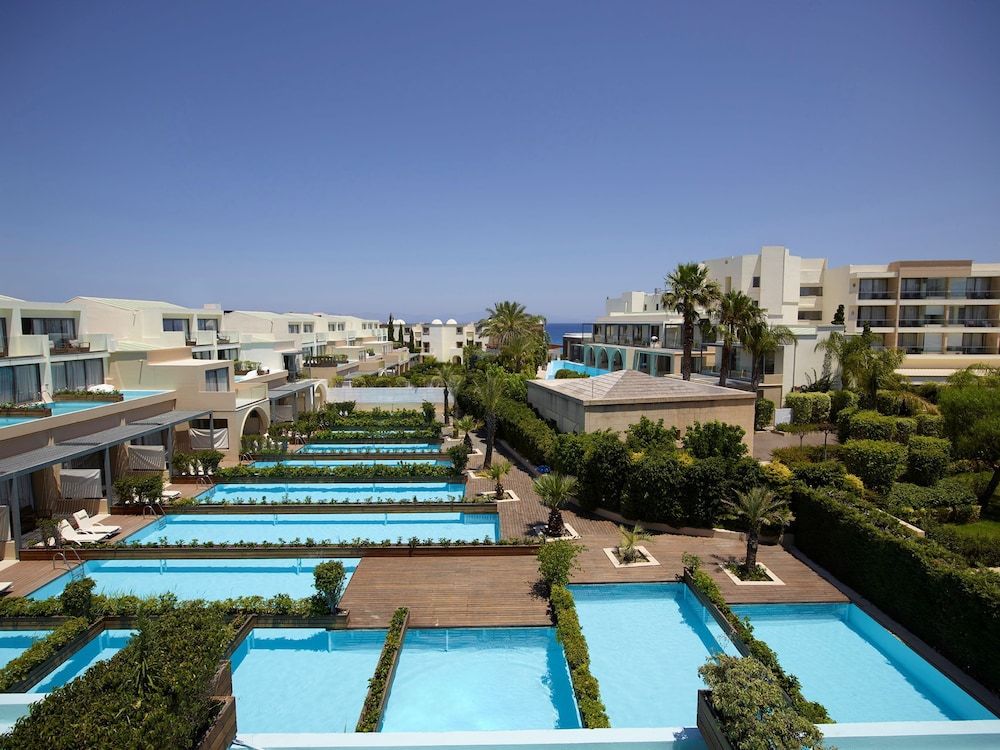
Greece, Ialyssos
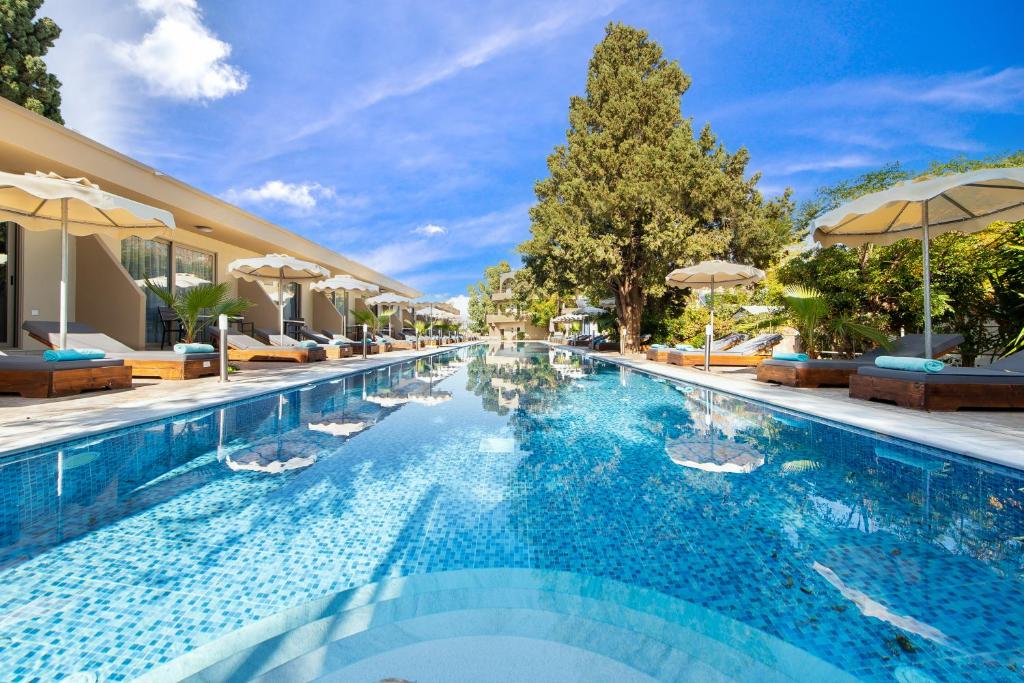
Greece, Kolymbia
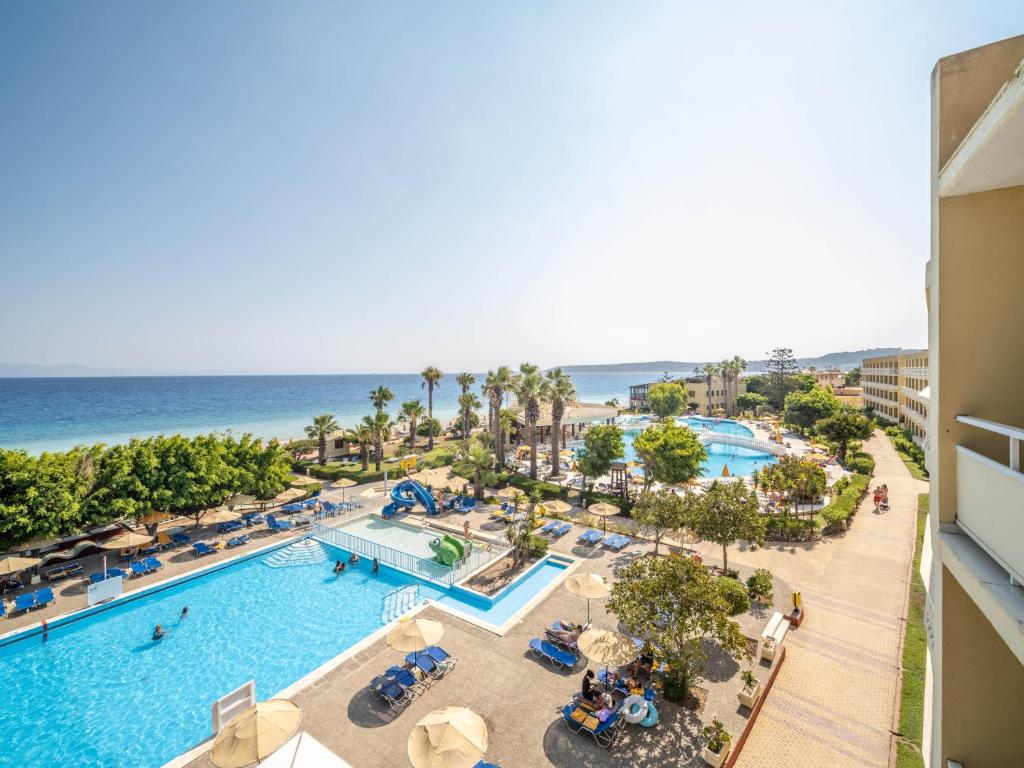
Greece, Ialyssos
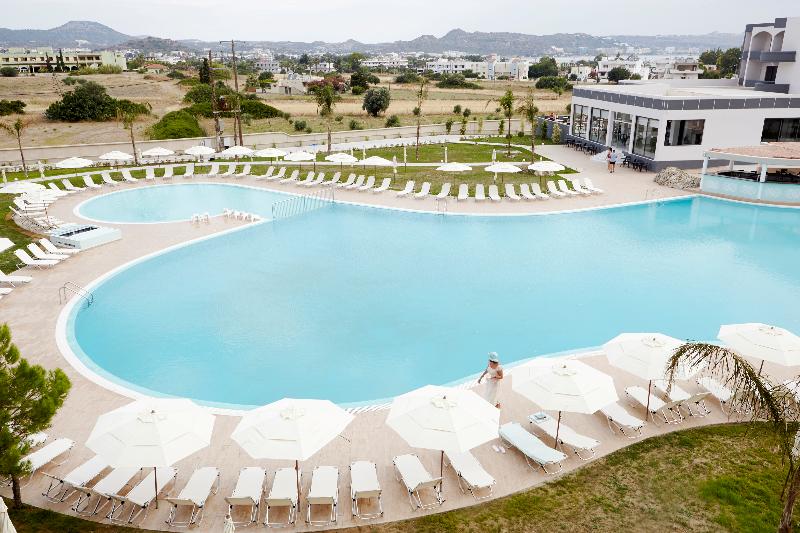
Greece, Faliraki
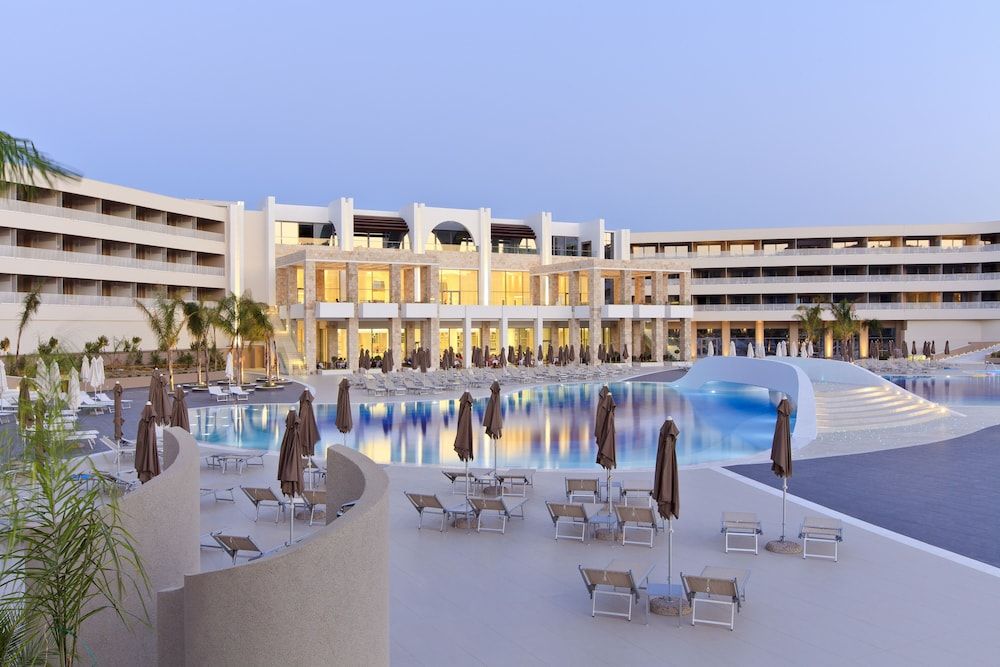
Greece, Kiotari

Greece, Kiotari
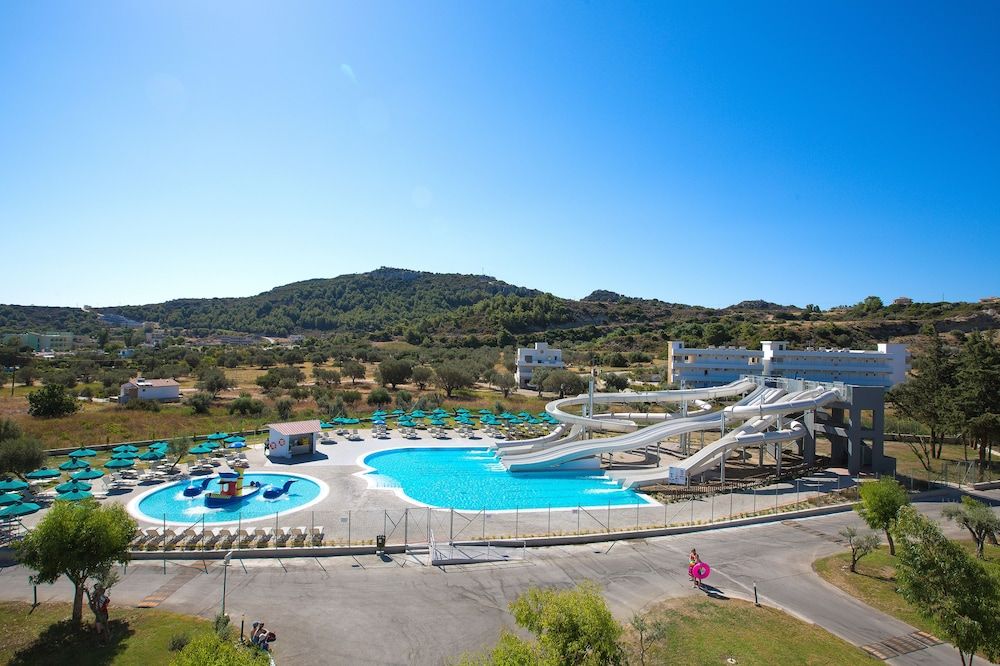
Greece, Faliraki
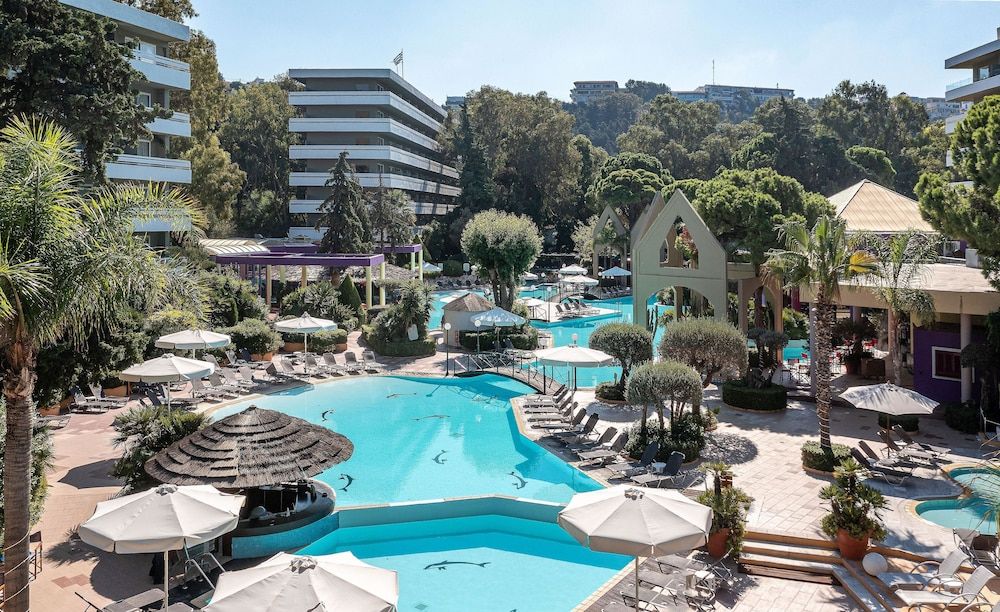
Greece, Rhodes Town

Greece, Pefkos
Greece and Turkey are both firm favourites for a Mediterranean holiday. Turkey is likely to appeal if you want a resort-based break with great value, while Greece is a natural choice if you’re excited by exploring islands, beaches and historic towns. Compare our Turkey holidays and Greece holidays to find the destination that’s right for you, or browse our last minute deals if you're ready to book now.
Reminder: Check the latest travel guidance for Turkey and Greece before booking, so you can plan your holiday with confidence.
Turkey stands out for value, while Greece is the better choice for island hopping and exploring historic sights. The right destination comes down to the kind of holiday you’d like to have.
Yes, in most cases. Turkey is generally better value for food, drinks and package holidays, although prices vary between resorts and travel seasons.
July is one of the hottest months to visit Turkey. Resorts such as Antalya and Bodrum typically see daytime highs of 32 to 33°C, with long hours of sunshine and very little rainfall.
April brings mild spring weather across much of Greece. Daytime temperatures are typically 18–22°C, making it a good time for sightseeing, although the sea is usually cooler than in summer.
Turkey has an advantage for family holidays, thanks to its large All Inclusive resorts, waterparks and family-friendly facilities. Greece appeals if you’re looking for smaller resorts, quieter beaches and more opportunities to explore together.

Jeslin is happiest when exploring new places and immersing herself in different cultures. When she’s not travelling, she’s often getting lost in a good book (sometimes literally), enjoying wild adventures from the comfort of her sofa.