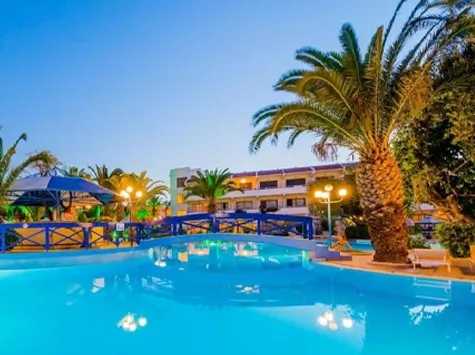

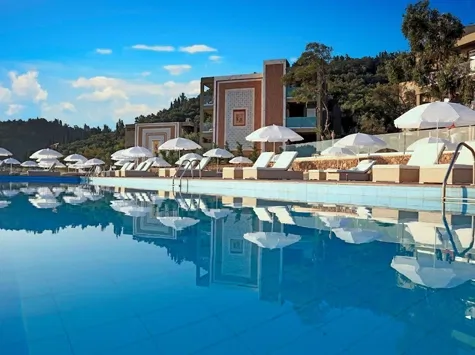



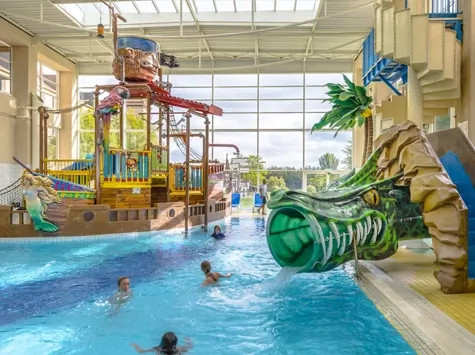


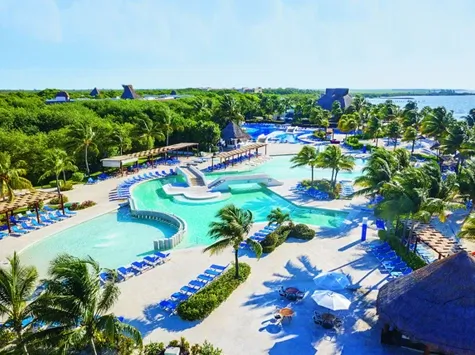




Punta Cana Princess Adults Only - All Inclusive
Dominican Republic, Bavaro
 Your money is secured in a trust account
Unlike many other travel companies we operate on a trust account model. Once we’ve paid the airline for your flights, the rest of your money is held in a trust account. We do not have access to this directly and can only withdraw funds when you are back home from holiday

 We're ATOL protected
All of our holidays that include flights are protected by the ATOL scheme from the moment you book. So if one of our suppliers fails, you’ll get your money back. If you’re left stranded abroad, a flight home will be arranged at no extra cost. Our ATOL number is 11806

 We're ABTA registered
As proud ABTA members we deliver the highest standards when it comes to our holidays. So if you book with us you’re guaranteed the best service. Our ABTA number is P8283, Y6720.



Dominican Republic, Bavaro

Dominican Republic, Uvero Alto

Dominican Republic, Bavaro

Dominican Republic, Bavaro

Dominican Republic, Bavaro
Dom Rep Holidays: Where Tropical Vibes Meet Colonial Charm
Holidays to the Dominican Republic combine breathtaking rainforests with a seemingly endless toe-sinking coastline - and that’s before you get to its UNESCO-protected old streets. Dom Rep holidays are a top pick for sun-seekers, offering one of the most diverse islands with holidays to the Caribbean, from majestic mountains to colonial towns and a lively nightlife scene. On Bavaro holidays, flit between rum bars before checking out big-name clubs in the centre of Punta Cana. And when you’re seeking that famous laid-back Caribbean vibe, sleepy Samana has your lazy sunbathing covered.
Things to do in the Dom Rep
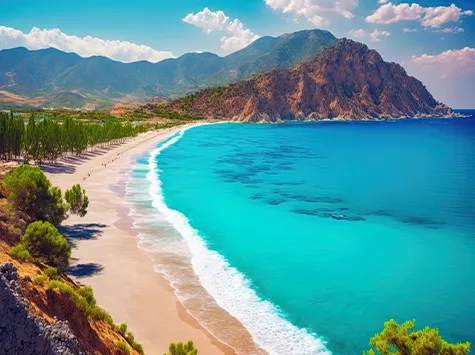
Renowned for its Insta-worthy white sands, Punta Cana holidays won’t disappoint with 30 miles of Caribbean coastline to call its own. Think, palm trees adorned with coconuts, clear waters perfect for snorkelling ventures, and it’s even home to a jaw-dropping zipline. After some downtime under the sun, nothing beats an evening spent dancing at Coco Bongo - a Vegas style show and disco which first opened its doors in Mexico. Now it’s one of the biggest clubs worldwide, especially in the Dominican Republic. And if you’ve forgotten your party shoes, there’s a range of top-class golf courses to take a swing at. So, whether you’re chasing beach vibes or big nights out, Dom Rep holidays tick all the boxes.
Head further afield to discover the 16th-century Spanish fort in Puerto Plata (Fortaleza San Felipe) and Ocean World Adventure Park in Playa Dorada. Next, explore Santo Domingo, the Caribbean’s oldest capital. On Dom Rep holidays, it’s a must-visit, mixing cool history with plenty of fun. As well as snapping pictures of the city’s old-world buildings, the Dominican Republic National Aquarium is a must-visit for families. Your little travel buddies will also love Museo Infantil Trampolín, an interactive kid’s museum with hands-on exhibits on the country’s history, science, ecosystems and culture.
Hidden away among lush jungle terrain is Damajagua Falls, otherwise known as the 27 waterfalls of Rio Damajagua - a true off-the-beaten-path experience. Tempted? Los Haitises National Park takes it up a notch with secluded beaches, mangroves, and kayaking fun - and if you’re feeling adventurous, explore its caves to discover carvings left by the indigenous Tainos. Spots like these are what make the Dom Rep so unforgettable.
Discover Dom Rep & Beyond | Top Travel Guides
Ready to see more of the Northern Caribbean? Explore these handy guides from our travel experts: Punta Cana | Bavaro | Cuba | Jamaica
The Dominican Republic is warm and sunny throughout the year, although the mountainous areas of the island are significantly wetter and cooler. There’s a fair amount of rainfall even in coastal regions, but this is normally only brief and light so you should be able to dodge the showers. You'll find it's dry, sunny and calm most of the time.
Approximately 9 hours from the UK. Fly to Punta Cana International Airport.

Dominican Republic, Bavaro

Dominican Republic, Punta Cana

Dominican Republic, Bavaro

Dominican Republic, Uvero Alto

Dominican Republic, Bavaro

Dominican Republic, Uvero Alto

Dominican Republic, Bavaro

Dominican Republic, Bavaro
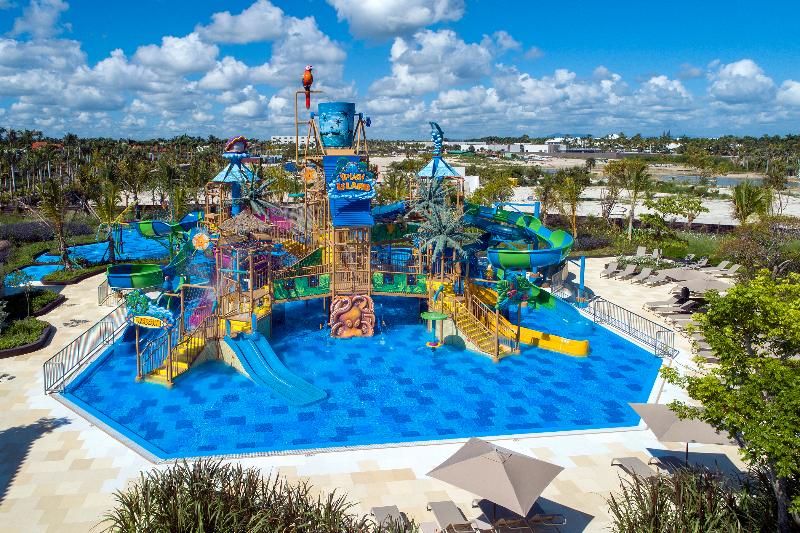
Dominican Republic, Bavaro

Dominican Republic, Punta Cana

Dominican Republic, Bavaro

Dominican Republic, Bavaro

Dominican Republic, Bavaro

Dominican Republic, Bavaro

Dominican Republic, Bavaro

Punta Cana is one of the most glamorous resorts on the Dominican Republic’s Coconut Coast, if not the whole of the Caribbean. That's because the giddy mix of hot days on the beach and VIP nightlife makes the resort feel a little like ...

Bavaro has the Dominican Republic’s favourite attractions in one resort, from a golden coastline and tropical jungle, to thriving nightlife full of Caribbean flavour. Stay moments from the beach and be by the sea every morning of your ...
Sun seeker? Visit the Dom Rep from December to April (during the dry season) for sunny days and low humidity - with daily temps hitting 25°C to 29°C, and evening lows reaching 20°C to 23°C.
Want to beat the crowds and save ££? Book between May and November (during the rainy season) for the best bargains. Although rain often falls in short, heavy bursts (not all day), Dom Rep holidays from April to early June usually enjoy fewer crowds and better deals. Just keep in mind that September and October mark the island’s peak hurricane season.
👪 Dom Rep family holidays
👩🏻❤️👨🏻 Dom Rep holidays for couples
🚶Dom Rep solo travel
With Thomas Cook, package holidays to the Dominican Republic combine return flights, accommodation, and the option to add extras like transfers, travel insurance and curated experiences on the Dom Rep's golden beaches and vibrant towns.
Offering a variety of hotels and resorts tailored to different budgets and preferences, if you opt for an All Inclusive Dom Rep trip, food is included (three meals a day plus snacks), as well as unlimited soft and local alcoholic drinks - usually for 12 hours a day - which will vary by package and hotel.
Most properties also offer free entertainment along with a choice of daily activities brought to you by their animation team, with non-motorised water sports, and access to amenities like pools and fitness centres typically included. All Inclusive family holidays often benefit from a mini club too. Some activities, like motorised water sports, spa treatments, golf and excursions may incur an extra fee.