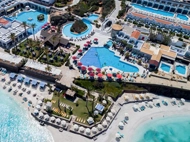
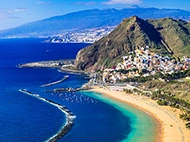
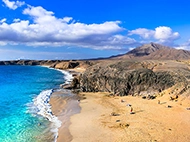
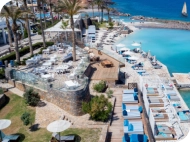
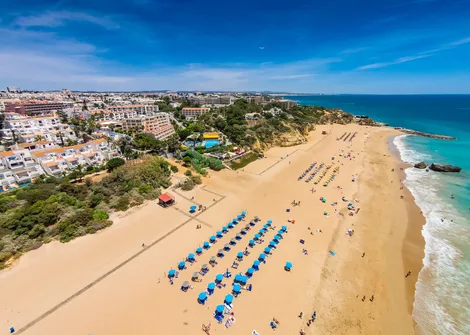
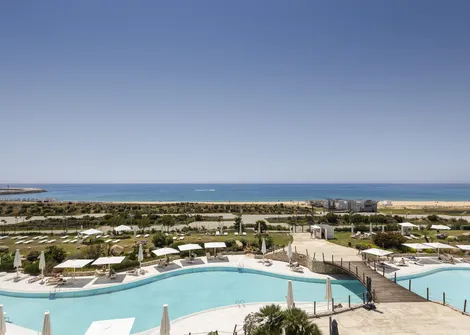
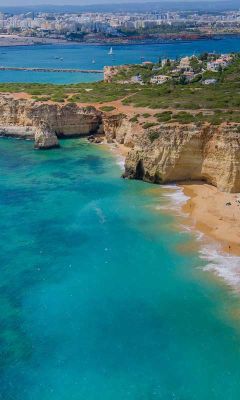
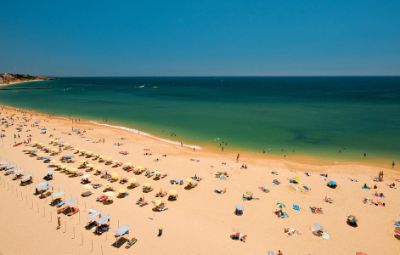
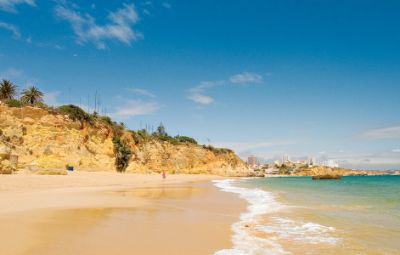
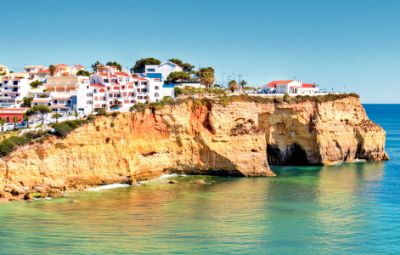
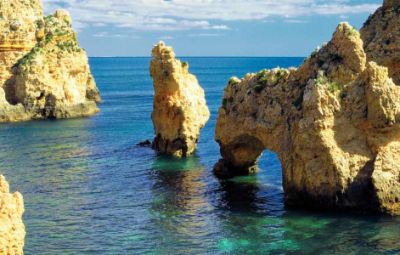
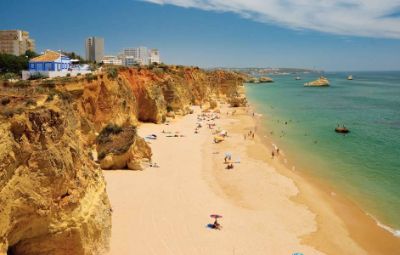
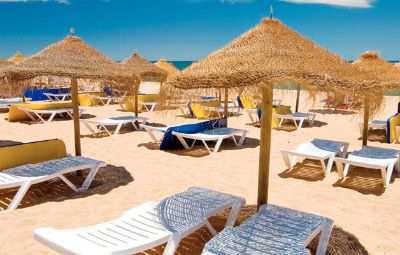
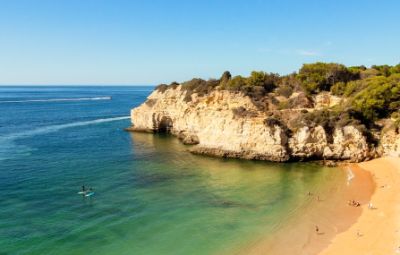
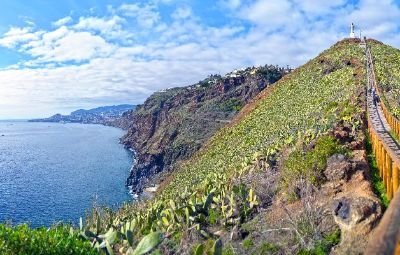
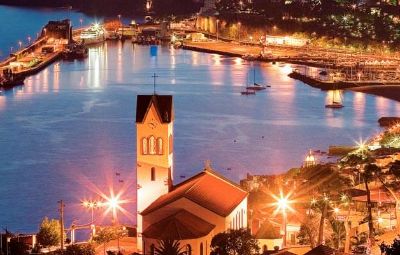
Holidays to Spain bring you to some of Europe’s most vibrant cities, 3,000 miles of soft sandy beaches, and fun-filled waterparks galore. Whether you’re heading for the bustling mainland or the gorgeous islands off the coast, you’ve always got year-round balmy weather, just a short flight away from the UK. Discover a country full of charm, from the mountain villages and Moorish castles to the bustling resorts and delightful tapas restaurants.
There are so many incredible destinations to explore with a holiday to Spain. You could relax on the powdery white sands of Marbella, soak up the party atmosphere in Ibiza, venture through the coves of Costa Brava or seek out the volcanic landscapes of the Canary Islands. So whether you want to flop on the beach, hit the world-famous after-dark scene, or set off on an adventure, Spain holidays are for you.
Things to do
You'll be spoilt for choice when it comes to things to do on a holiday to Spain. From lounging on the golden sands to picking up the pace with watersports in bustling resorts like Costa del Sol, Costa Blanca or Costa Almeria on the mainland. But a holiday to Spain has so much to offer beyond the coastline. It’s brimming with incredible landscapes, from Lanzarote’s volcanic peaks to Menorca’s lush wetlands.
Family fun
You could make a splash together at the famous Siam Park. Build sandcastles on the pristine soft sands of Playa de Alcudia. And if you're seeking a day of sightseeing, hop aboard the Cap Salou Tourist Train. Your little ones will love discovering the hidden corners of this spectacular city.
Couples
Couples have so much culture and romance to soak up together in Spain. Whether you want to step under the stained glass windows of the Sagrada Familia in Barcelona. Go on a horse riding tour through the valleys of Ibiza. Or set sail with a sunset catamaran trip in Malaga. And if it's foodie hotspots you're both after, follow your taste buds around the pavement tables of Alcudia for the traditional paella.
Places to stay
With a fantastic range of Blue Flag beaches, it's no wonder Spain attracts so many to its shoreline. Holidays on the mainland are about the Costas, aka the ‘Golden Coast’, a stretch of soft sand drenched in sunshine. In the Canaries, you'll find black volcanic sands in Lanzarote and Saharan shores in Gran Canaria. While in the Balearics, Menorca and Majorca boast secluded coves and sweeping bays. In Ibiza, it's become a tradition to watch the spectacular sunsets. The rich hues of reds, oranges, and pinks set the Mediterranean waters on fire.
Canary Islands in Spain
With golden beaches, volcanoes and lush forests, holidays to the Canary Islands are all about diverse landscapes. There's so much to explore, from the fire mountains in Timanfaya National Park in Lanzarote to the nature reserve on Lobos Island in Fuerteventura. The weather is also warm all year round, with excellent conditions for watersports and long days under the African sun. With all this and more, Canary Islands holidays have got everything you could ask for. All within a reasonably short flight.
Costa Almeria
From the whitewashed buildings of Mojácar to the traditional culture of Roquetas de Mar, holidays to Costa de Almeria are great for peaceful breaks in idyllic settings. You can head out on scenic walks in the hills or stroll along golden beaches. Bars and restaurants can be found in the eco-resort of El Toyo, where you can fill your Costa de Almeria holidays with new Spanish flavours.
Costa Blanca
Translating to the "White Coast", Costa Blanca holidays are popular with beach lovers. Stunning white sands stretch for miles, making it perfect for those long, lazy days soaking up the sun. It's more than just beaches, though. Holidays to Costa Blanca can take you up into the hills, where the countryside is rich with colour, charming vineyards and the smell of citrus and almond groves. In the evenings, Costa Blanca nightlife is not to be missed.
Costa Del Sol
Spanish for "Coast of the Sun", Costa del Sol holidays offer 325 days of warm weather and 95 miles of coastline. But there's plenty more to the sun coast than soft sands and blue waters. On holidays to Costa del Sol, you'll find sleepy villages amongst the hills and mountains that are beautiful to drive through, vibrant nightlife, and rich history and culture.
Costa Dorada
Costa Dorada holidays boast pristine sands, pretty ports, towering mountain trails, pine forests, the region's largest wetlands and medieval villages. Salou is great for kids. With shallow waters, playgrounds and historic towns. And family holidays to Costa Brava aren't complete without a visit to PortAventura, one of the biggest theme parks in Europe, with themed rides and brilliant entertainment.
What should I pack?
Pack your sunscreen if you're booking your holidays to Spain in the summer months. Aside from that, a few other bits and bobs will help make your break easier. If you can't live without your gadgets, you might want to bring an adaptor to charge them back in your hotel. A portable power pack is also a good idea for gizmo addicts.
When it comes to clothing, keep it light and airy, with outfits made from linen and cotton.
Unsure of the best time of the year to visit? Check the weather in Spain to see which month is right for you.
More travel guides
We also have travel guides available for destinations, including: Andalusia | Balearic Islands | Barcelona | Canary Islands | Costa Almeria | Costa Blanca | Costa Brava | Costa Dorada | Costa del Sol | Fuerteventura | Gran Canaria | Lanzarote | Tenerife | Ibiza | Madrid | Malaga | Majorca | Menorca